A 20-Year-Old Pulled 3-Year-Old Luna Blue and Motionless From the Bottom of a Martin County Pool, and Now She Is the First to Win Fire Rescue’s Heroic Heart Award

On Aug. 23, 20-year-old Madison Eisler looked into the pool at her Martin County, Florida, apartment complex and saw a little girl lying motionless at the bottom. She jumped in, grabbed the child and pulled her out. By then, Eisler said, the girl was blue.
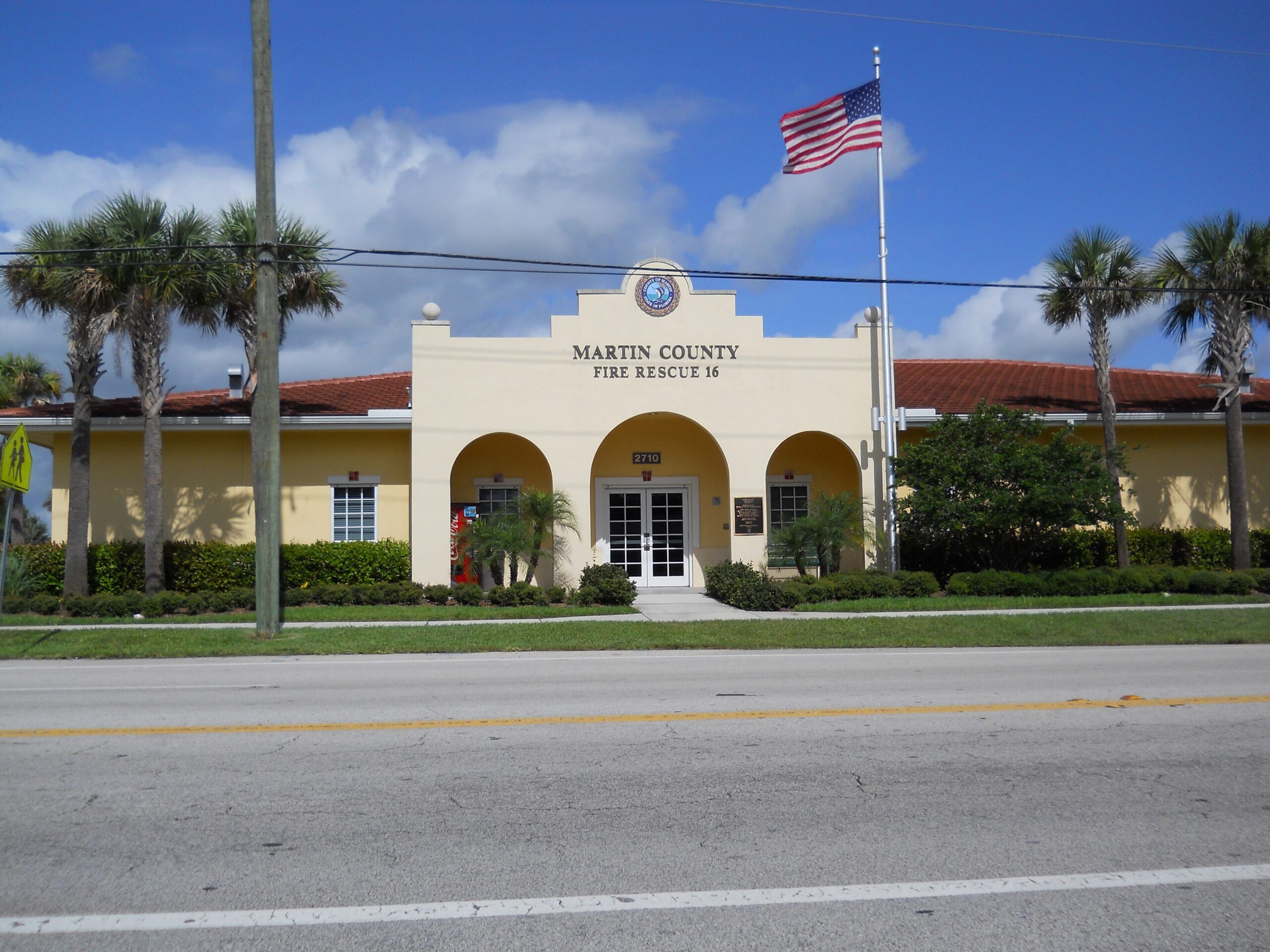
The girl was 3-year-old Luna. Eisler started CPR right there. Nearly two months later, Martin County Fire Rescue gave her its new Heroic Heart Award, and the department says she is the first person ever to receive it.
Seconds at the bottom of the pool
According to WPTV, Eisler began CPR as soon as Luna was out of the water. A family friend who works as a pediatric intensive care nurse joined in, and the two kept working on the little girl together.
Martin County Fire Rescue Chief Chad Cianciulli described what happened next at the award ceremony. “Together, they continued their life-saving efforts till finally Luna responded,” he said. By the time paramedics arrived and took her to the hospital, Luna was alert and oriented.
Eisler’s boyfriend called 911 while the rescue was underway, WFLX reported. Reports spell the young woman’s last name two ways, Eisler and Isler, and the stations did not name the apartment complex.
A mother who calls it the right place and the right time
Luna’s mother, Christine Hernandez, was at the ceremony at Fire Rescue headquarters, where Eisler and Luna saw each other again. Hernandez told WFLX she sees God’s hand in the timing, and that Eisler was there exactly when her family needed someone, “like at the right place at the right time.”
Cianciulli presented the award on behalf of the department and the community. He said Fire Rescue wanted to honor Eisler for her courage to act. Being the first name on a brand-new award puts her rescue at the start of the department’s list of honorees.
Stories like Luna’s are ones Parent Diaries has followed before, including the Studio City 3-year-old who met the firefighters who brought her back months after she was found without a pulse beside a pool.
Why toddlers and pools are such a dangerous mix
What happened at the complex is the scenario pediatricians worry about most. According to the Centers for Disease Control and Prevention, more children ages 1 to 4 die from drowning than from any other cause of death. The CDC counts more than 4,000 fatal unintentional drownings in the United States each year, an average of 4,083 a year from 2012 to 2021.
Florida’s numbers are worse than most. The Florida Department of Health says the state ranks fifth in the nation for drowning deaths and that drowning is the leading cause of unintentional death for Florida children ages 1 to 4. More than 500 Floridians died from unintentional drowning in 2023, and the department says home swimming pools are where young children are most likely to drown.
The American Academy of Pediatrics warns that young children can drown in as little as an inch or two of water, and that it often happens quickly and silently. Florida Health adds that most infant drownings happen in just a few inches of water, such as a bathtub or bucket.
What pediatricians say every pool needs
The AAP’s first line of defense is a barrier. It recommends a fence on all four sides of any pool, including large inflatable ones, at least 4 feet high with no gaps underneath and slats no more than 4 inches apart. The gate should close and latch on its own, swing away from the pool and have its latch at least 54 inches off the ground.
Near water, the AAP calls for touch supervision, meaning an adult within arm’s reach of a toddler at bath time or swim time. It says not to leave a young sibling in charge, and that during swim time an adult should get in the water with the child, even when lifeguards are on duty. If the adult has to step away, the child should go too.
The AAP recommends swim lessons for children and parents, with many children able to start after their first birthday. Florida Health runs a Swimming Lessons Voucher Program that offers free lessons to eligible Florida families. The AAP also urges parents, caregivers and older children to learn CPR and safe rescue skills, the same skills that kept Luna alive until paramedics got there.
For one Florida family, a young woman at their complex who knew what to do turned the worst day of their lives into one they now mark with an award.
Get stories like this by email. Sign up for The Parent Diaries Letter.
This article was produced with AI assistance and edited for accuracy against the sources linked above.
Image: Stephen B Calvert Clariosophic – CC BY-SA 3.0/Wikimedia Commons