A Baby Under 12 Weeks With a 100.4-Degree Temperature Needs Immediate Care, a Pensacola Pediatric Nurse Practitioner Says in Her Thanksgiving Newborn Guide

Thanksgiving gatherings can put newborns in crowded rooms full of relatives, and a Pensacola pediatric nurse practitioner is quoted in a holiday guide, published ahead of Thanksgiving, on where to draw the lines before the first guest arrives. Octavia Slevinski, APRN, of Studer Family Children’s Hospital Pediatrics in Perdido, is the expert in Ascension’s guide, and its most urgent line is about fever: “For babies younger than 12 weeks, a fever of 100.4°F (38°C) or higher requires medical evaluation right away.”
The 100.4-Degree Line for a Baby Under 12 Weeks
Ascension published the guide on Nov. 4 and updated it on Nov. 5. It is written for the holiday season in general rather than for a single day. The fever warning comes under a section on when to call the pediatrician, and the guide adds that parents can ask their pediatrician about visitor and illness precautions before the holidays arrive.
The American Academy of Pediatrics gives the same threshold on its parent site. In its fever guidance, the AAP says to call the doctor right away if a child is younger than 3 months (12 weeks) and has a temperature of 100.4°F (38.0°C) or higher. It says parents should use a rectal thermometer with babies for the most accurate reading, and that feeling the forehead is not reliable for detecting a fever.
The AAP page also explains what a fever is: the brain raises the body’s temperature in response to infection or illness. Normal is around 98.6°F, give or take about a degree.
Sick Guests, Clean Hands and a No-Kissing Rule at the Table
Ascension’s guide asks families to decide their priorities before the gathering and tell relatives in advance, on the reasoning that a boundary is easier to explain before people are reaching for the baby. Its examples include allowing a crowded house but no kissing, allowing only one or two visitors at a time, or skipping travel this year.
Anyone with symptoms should postpone until they recover, the guide says, and the list includes fever, cough, vomiting, diarrhea, a new rash or other signs of a contagious illness. Mild symptoms still count, because a person does not need to feel very sick to spread an infection. Ascension cites RSV as an example, noting that it spreads through coughs, sneezes, close contact and contaminated surfaces.
The Centers for Disease Control and Prevention says RSV spreads in the fall and winter, usually peaking in December and January, and that infants younger than 6 months are among those most likely to become very sick. The agency calls it the most common cause of bronchiolitis and pneumonia in children under 1.
Everyone should wash their hands before touching the baby, according to the guide, and some parents adopt a no-kissing rule while the baby is young. The CDC’s handwashing guidance says to lather the backs of the hands, between the fingers and under the nails, scrub for at least 20 seconds and rinse under running water. Where soap and water are not available, it says to use a hand sanitizer with at least 60% alcohol.
The guide leaves the choices to the parents: they decide who holds the baby, for how long and whether kisses are allowed. Partners should agree on who handles boundary conversations, often with each person speaking to their own family.
Where the Baby Sleeps, When Visits End and What Travel Takes
On sleep, the guide cites the American Academy of Pediatrics: back sleeping for every sleep, on a firm, flat surface such as a crib or bassinet, with no loose bedding or soft objects. Adult beds and couches are not safe sleep spaces, even for short naps, and families should ask where the baby will sleep before an overnight stay.
The AAP’s safe sleep guidance adds that the risk of sleep-related death is up to 67 times higher when a baby sleeps with an adult on a couch, soft armchair or cushion. It recommends keeping the baby’s sleep area in the parents’ room, close to the bed but separate, for at least the first 6 months, and says room sharing can reduce SIDS risk by as much as 50%.
The rest of the guide is about protecting the baby’s rhythm. Parents should follow the baby’s cues rather than the holiday schedule, step away to feed if they want privacy and skip waking a sleeping baby for photos. Visits should be scheduled rather than drop-in, kept short and rescheduled if the parents are tired, and visitors can bring dinner or help with chores while the parents rest. The guide also suggests agreeing on an exit plan or a signal for when it is time to leave, and deciding before the pictures start whether photos can go in a group text but not online.
Travel takes more planning, with extra feeding and diaper stops and more supplies for overnights. If the baby was born prematurely, has a health condition or is sick, the guide says to talk with the pediatrician first, and it lists a shorter visit or having relatives visit the family as options. Other holiday baby guidance on the site includes an AAP pediatrician’s Thanksgiving travel rules for car seats and planes and the Thanksgiving feeding rules experts give parents of babies.
Get stories like this by email. Sign up for The Parent Diaries Letter.
This article was produced with AI assistance and edited for accuracy against the sources linked above.
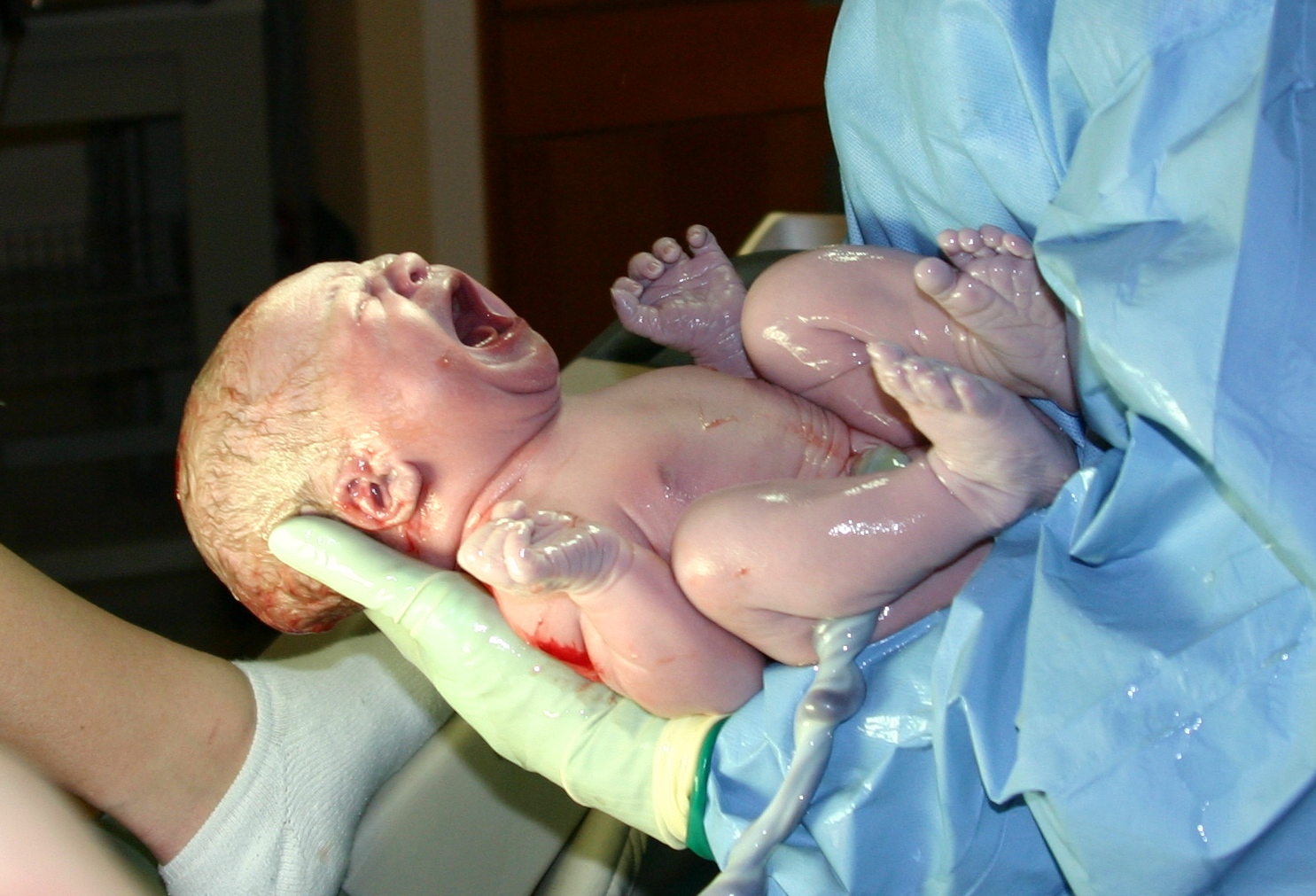
Image: Ernest F – CC BY-SA 3.0/Wikimedia Commons