A Massachusetts Mom With Spina Bifida and PCOS Spent Nearly 1.5 Years on IVF. Her Third Try Brought Her Son Colton.

Colton is in a Massachusetts neonatal intensive care unit, born earlier than planned and, his mother says, healthy. For Ferguson, a new mom from Waltham, his arrival ended nearly a year and a half of fertility treatment that included multiple rounds of IVF, a pause and a third attempt that finally worked, Boston 25 News reported on Nov. 20.
Two diagnoses, and no way to know how they would play out
Ferguson, whom Boston 25 identified by her last name only, has two conditions that can matter when a couple is trying to conceive: polycystic ovary syndrome, known as PCOS, and spina bifida. She told the station she did not know how they would affect her fertility.
She has always wanted to be a mother, she said, and being able to do IVF and have a son now is everything she could have imagined.
Follicles that would not mature
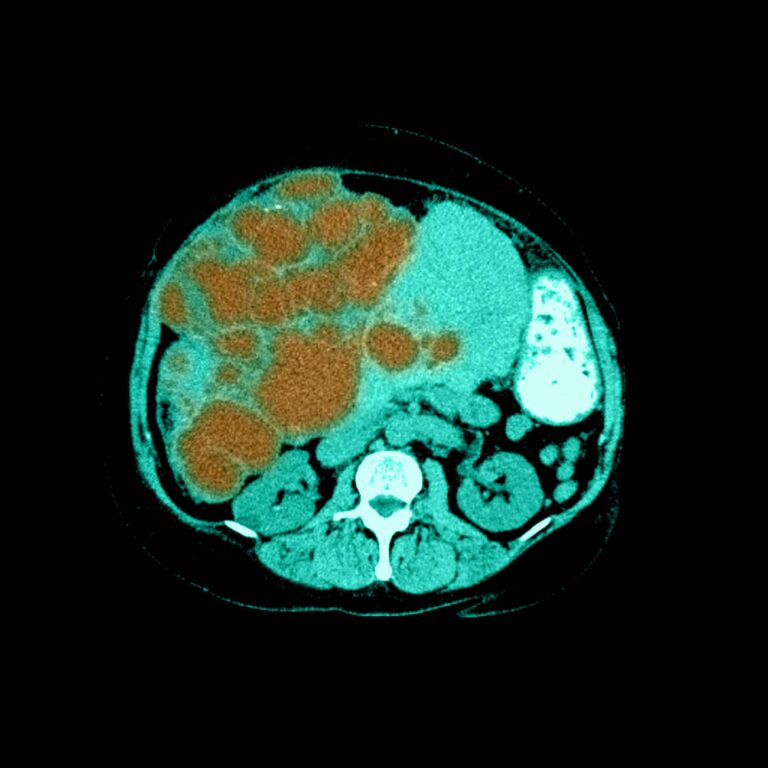
PCOS turned out to be the obstacle. Even with fertility medication to stimulate her ovaries, Ferguson said, her PCOS would not give her mature follicles.
The National Institute of Child Health and Human Development describes PCOS as a set of symptoms from a hormonal imbalance, and says it is the most common cause of anovulatory infertility, meaning infertility from missed ovulation. Many women learn they have it only after they have trouble getting pregnant.
Mayo Clinic explains the mechanism: because the ovaries do not function normally, follicles often fail to release eggs. It also says conception is harder but not impossible, and that pregnancy “does happen for many women” with the condition. It adds that early birth is more likely in pregnancies with PCOS.
Nearly 1.5 years, one pause and a third try
Boston 25 reported that the journey lasted nearly a year and a half and included multiple IVF rounds. At one point, the couple paused. The station did not say when each round took place or how many embryos were transferred.
IVF is the most common form of assisted reproductive technology. The Centers for Disease Control and Prevention defines the category as fertility treatments in which eggs or embryos are handled to help achieve a pregnancy, and says IVF involves surgically removing eggs from the ovaries, combining them with sperm in a laboratory and returning them to the patient or a gestational carrier.
The third attempt worked. Ferguson told Boston 25 that the third time was a charm and that the couple got their baby boy.
The report also cited a survey from Everleap Fertility, a Waltham clinic, and the IVI Institute. The Fertility Barometer polled more than 24,000 women ages 19 to 49 in nine countries from May to July 2026. About 21 percent of the U.S. women surveyed had experienced infertility. Among them, more than 75 percent consulted a doctor, but only 17 percent underwent IVF.
What spina bifida is, in the CDC’s words
The CDC calls spina bifida a condition that affects the spine and is usually apparent at birth. It happens when the neural tube does not close fully. The agency says it occurs in about 1 of every 2,857 U.S. births each year, or roughly 1,278 babies, and that severity ranges from mild to severe.
The agency adds that with good medical care, people with spina bifida can reach their full potential. Boston 25 did not say which type Ferguson has or how it figured into her treatment.
A baby who arrived early
Colton was born early and is in the NICU, according to Boston 25. The station did not give his birth date, weight or how many weeks he was, and did not name the hospital. Ferguson said he is healthy.
The CDC defines preterm birth as birth before 37 completed weeks of pregnancy, and reported that about 1 in 10 U.S. infants, 10.4 percent, were born preterm in 2022. The agency says the brain, lungs and liver need the final weeks of pregnancy to fully develop.
Get stories like this by email. Sign up for The Parent Diaries Letter.
This article was produced with AI assistance and edited for accuracy against the sources linked above.
Image: Dr.jayesh amin / Wikimedia Commons, CC BY-SA 3.0