Doctors Told Anastasia Prokopis Her Daughter Melina Might Not Survive Delivery. After 184 Days in Three Hospitals, the Tulsa Baby Is Home.

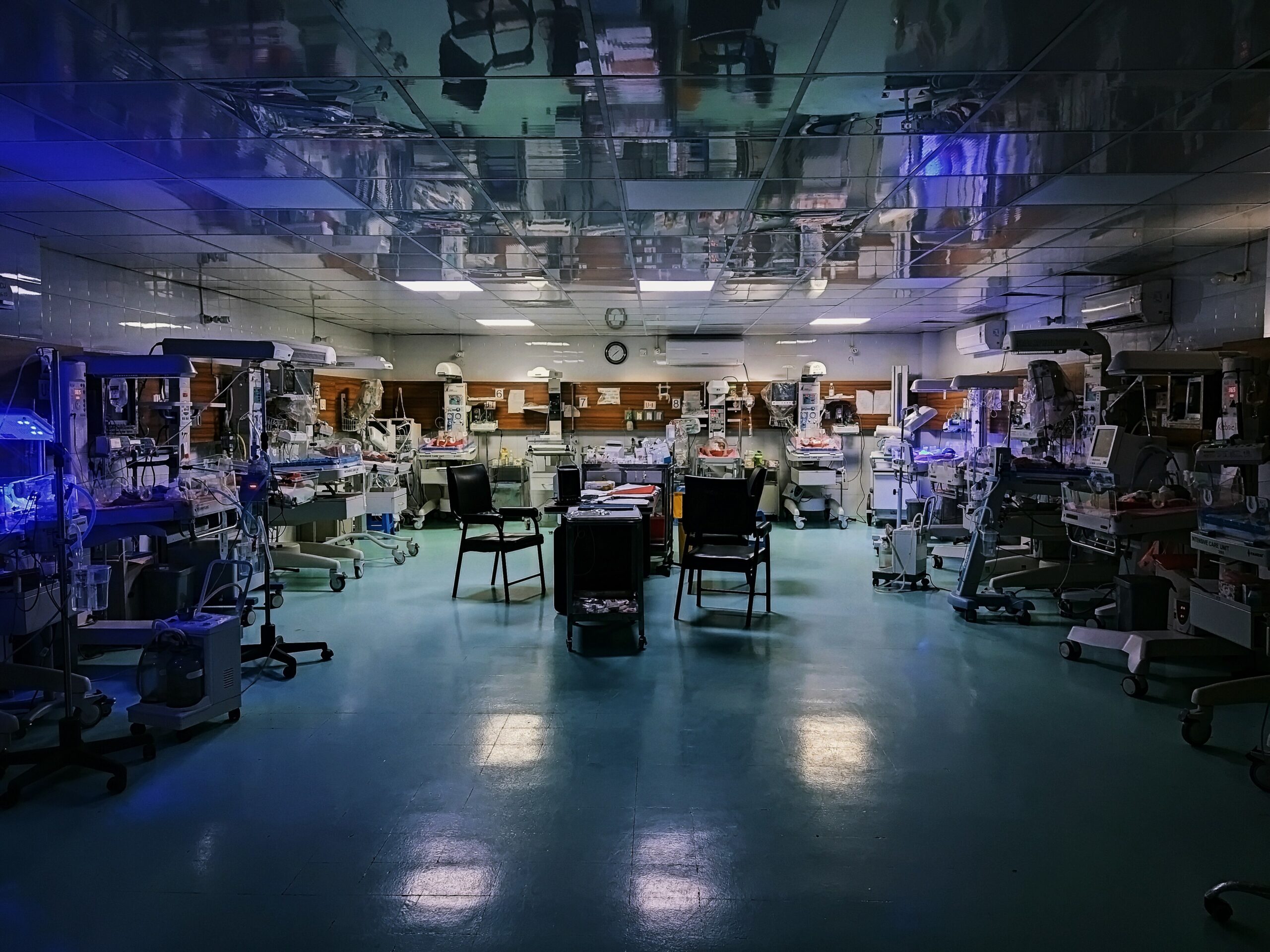
Doctors admitted Anastasia Prokopis to the hospital on May 15 after an ultrasound at what was supposed to be a routine 32-week appointment showed abnormalities. Three days later, on May 18, her daughter Melina was born eight weeks early. After 184 days in the NICU across three medical facilities in two states, News On 6 reported on Nov. 20 that the Tulsa baby is finally home.
Prokopis told the station that the family had been warned the odds of Melina surviving delivery were slim. Doctors found no amniotic fluid and a rare condition called nonimmune hydrops fetalis, along with kidney problems and fetal anemia.
Kidney trouble sent Melina to Dallas at 10 p.m.
Melina’s kidney complications meant she needed dialysis, and the equipment had to be small enough for a newborn. According to News On 6, the machines at OU Children’s were too large and the ones in Houston were already in use, so doctors found a bed in Dallas.
Her father, Zach Rowland, told the station the decision was a “no-brainer.” Melina was transferred at 10 p.m. and arrived in Dallas by 2 a.m. In all, she made two private medical plane flights between facilities.
The size problem is a known one in pediatric kidney care. Children’s Hospital Los Angeles says most dialysis machines are designed for adults, and that its FDA-approved Carpediem system can treat patients weighing as little as 2.5 kilograms, about 5 pounds. Dr. Ian Macumber of CHLA said the older option for infants there was peritoneal dialysis, which requires surgery to place a catheter. The News On 6 report does not say which form of dialysis Melina received.
What fluid buildup does to a baby before birth
Cleveland Clinic describes hydrops fetalis as a rare, life-threatening condition in which a fetus or newborn has severe swelling, with fluid collecting in at least two areas of the body. It is a sign of an underlying problem rather than a disease on its own. The nonimmune form, the type Melina was diagnosed with, accounts for up to 9 in 10 cases, and MedlinePlus puts the figure at up to 90 percent.
Causes of the nonimmune form include heart conditions, chromosomal disorders, metabolic diseases, urinary problems and blood disorders, according to Cleveland Clinic. Testing often finds the cause, but in about half of cases none is found. Cleveland Clinic puts overall survival at less than 50 percent, and says the outlook is better when the cause can be treated.
Anemia is one of the routes to hydrops. The Children’s Hospital of Philadelphia explains that fetal anemia means a baby has a low number of red blood cells before birth, and that severe, untreated anemia can lead to swelling in the fetus. When anemia is confirmed, doctors can treat it before birth with a transfusion through the umbilical cord, CHOP says. The News On 6 report does not say which treatments Melina received before or after delivery.
MedlinePlus adds that care after birth can include needle drainage of extra fluid, medicines for heart failure and fluid removal, and breathing support such as a ventilator. The page notes that risk is highest for babies born very early and those who are ill at birth. Cleveland Clinic likewise lists NICU care, breathing support and fluid removal among the treatments for babies with hydrops. Melina’s own birth came early as well. The CDC defines preterm birth as birth before 37 weeks of pregnancy, and says it affected about 1 in 10 U.S. infants in 2022. Babies born very early, especially before 32 weeks, face higher rates of death and disability, the agency says.
Two brothers, a jet-pilot mask and a baby nearly sitting up
Melina has two older brothers, and News On 6 reported that they saw her through the breathing equipment and medical devices. The youngest asked to hold her, and the family and medical team arranged it safely around her equipment. The boys joked that her CPAP mask looked like a jet pilot’s helmet.
Another family that knows the NICU stretch well is the one in Nicholas’s story, where big brother Luca met him in the NICU dressed as Tigger. And for the family of a baby who spent almost his whole life in the hospital, Creek Case’s first stay at home lasted just six days.
Melina is now about six months old and nearly sitting up on her own, News On 6 reported. Prokopis said going from two children to three, with a baby who has medical needs, has been a big change. Many of Melina’s checkups are still in Dallas, and the family has considered moving there to be closer to her care. Visits are expected to become less frequent as she grows.
The family has also set up a GoFundMe to collect donations, the station reported. Prokopis’s advice for other families in a similar spot was to keep asking questions of their medical teams.
Get stories like this by email. Sign up for The Parent Diaries Letter.
This article was produced with AI assistance and edited for accuracy against the sources linked above.
Image: Realistroot / Wikimedia Commons (CC0)