A Prenatal Scan Found 4-Year-Old Wyatt Keller’s Rare Criss-Cross Heart, and Cleveland Clinic Surgeons Planned His Repair on a 3D-Printed Model

In January 2026, surgeons at Cleveland Clinic Children’s studied a 3D-printed copy of 4-year-old Wyatt Keller’s heart before they operated on the real one. The Northeast Ohio boy was born with criss-cross heart, a rare condition that his family first learned about during a routine prenatal scan.
The operation went well. Wyatt left the hospital five days after surgery, and his parents say he is now preparing for preschool, according to a report from WJW Fox 8 in Cleveland, carried on Yahoo News.
A Routine Scan Raised the First Concern
Anna Keller and her husband already had two healthy children when they expected Wyatt, their third. The Cleveland Clinic’s own account of Wyatt’s care says a routine ultrasound at 20 weeks of pregnancy revealed a heart problem. Anna recalled to WJW that the doctor told her there were concerns with her baby’s heart.
Heart defects are the most common type of birth defect. The Centers for Disease Control and Prevention says they affect nearly 1% of U.S. births, about 40,000 babies a year, and that some can be found during pregnancy with a fetal echocardiogram, a special ultrasound. Others are not detected until birth or later.
Wyatt’s diagnosis was criss-cross heart. In a case report in Frontiers in Cardiovascular Medicine, a team of surgeons describes the condition as extremely rare, accounting for less than 0.1% of all congenital heart defects. It happens when the heart twists along its long axis so that the inflow streams of the two lower chambers cross. WJW described it as a condition in which the heart’s chambers and connecting blood vessels sit in abnormal positions.
According to the Cleveland Clinic, Wyatt also had double outlet right ventricle, in which both main arteries arise from the same lower chamber, along with a large hole in the heart wall and a valve problem that severely obstructed blood flow.
Four Years of Watching and Waiting
Dr. Malek Yaman, a pediatric cardiologist at Cleveland Clinic, guided the family. He told WJW that criss-cross heart is one of the rarest conditions he sees. Doctors monitored Wyatt for about four years before surgery.
The Clinic’s account explains why the operation could wait. Yaman said the obstruction in Wyatt’s heart protected him from too much blood flow to the lungs and from heart failure, which allowed surgery to be delayed until after his fourth birthday.
By around age 4, though, his condition had begun to limit what he could do. WJW reported that it affected his exercise and play and his ability to keep up with other children. The Clinic said he tired easily, needed more breaks and napped even after a full night’s sleep.
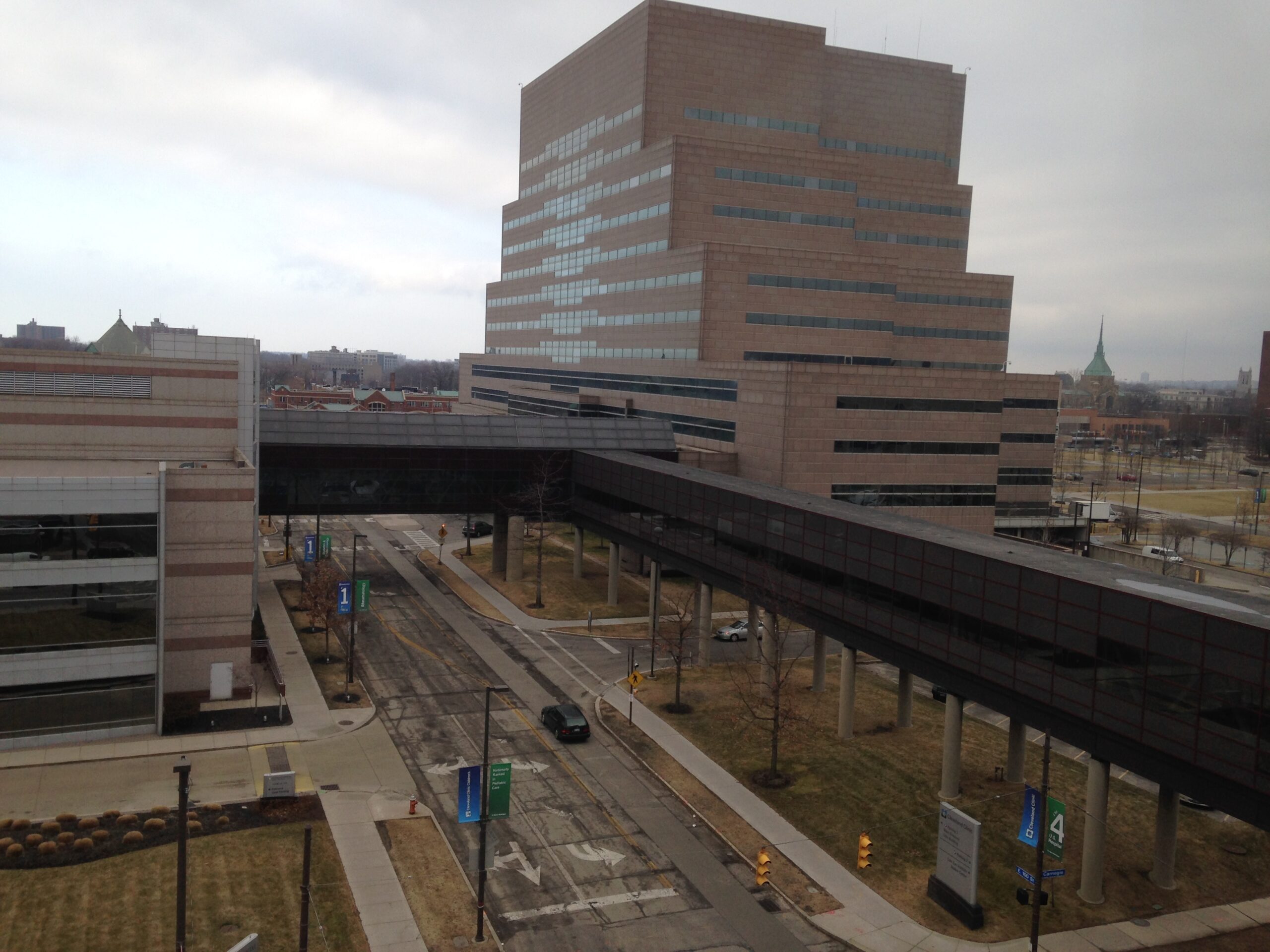
The family lives about 40 minutes from Cleveland Clinic and felt fortunate to have it nearby, WJW reported. Their faith gave them comfort, and on the drive to the hospital, Wyatt sang a song asking for help to heal his heart.
Planning the Repair on a Model of His Own Heart
Dr. Hani Najm, chair of pediatric and congenital heart surgery at Cleveland Clinic, led the surgical team. Before the operation, the team used a 3D-printed replica of Wyatt’s heart to study its unusual anatomy and plan the repair. Wyatt got to hold the model himself.
The technique is not new to the hospital. In 2019, News 5 Cleveland reported that Najm’s team printed a model of an infant’s heart before another complex operation, with Najm saying the surgeons wanted to see the structure in hand before looking at the heart in the operating room. Other surgeons have reported the same benefit. In the case report on criss-cross heart, handling a printed model helped the team agree on the anatomy and plan the incision before surgery, although the authors note that a single case may not generalize.
Najm said the planning matters most in cases as complex as Wyatt’s. “This kind of planning is incredibly important in complex cases like Wyatt’s because it saves valuable time in the operating room,” he said.
The operation was a ventricular switch, a technique Najm developed. The Clinic calls it a biventricular repair. It reroutes blood flow so that both lower chambers can work, with the right pumping blood to the body and the left sending it to the lungs. The team removed the obstructing tissue, preserved the affected valve and mapped the heart’s electrical conduction system during the repair to avoid damage. Wyatt did not need a pacemaker.
Home in Five Days and Headed to Preschool
Wyatt stayed in the hospital for four days and went home on the fifth. He was cleared of physical restrictions, and his care team will keep monitoring him but does not currently expect further procedures. The CDC notes that even after a repair, many people with congenital heart defects need lifelong follow-up with a cardiologist.
These days he rides his bike, plays T-ball and keeps up with his older brothers, according to the Clinic. His mother said he is still “the same joyful little boy he’s always been,” now with the energy of a typical 4-year-old. His father said the family felt blessed to have had the right team and the right tools.
For a boy whose heart was first flagged on an ultrasound before he was born, the next milestone is an ordinary one: starting preschool.
Get stories like this by email. Sign up for The Parent Diaries Letter.
This article was produced with AI assistance and edited for accuracy against the sources linked above.
Image: Nightryder84, CC BY-SA 4.0, via Wikimedia Commons