A Homeowner Says Kids Keep Climbing Her Six-Foot Fence and Crushing Her Roses, and Their Parents Just Laugh and Say “Kids Will Be Kids”

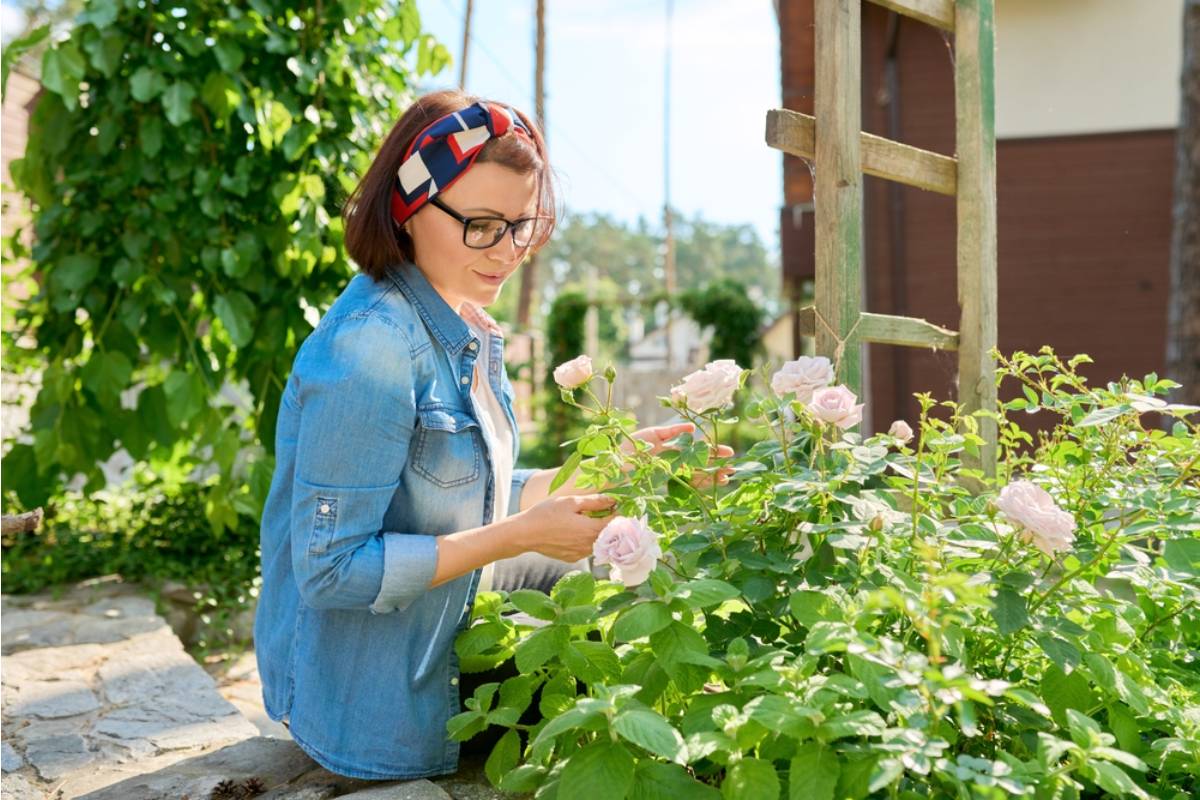
A homeowner shared a frustrating story about a garden she had spent countless hours caring for, with her roses holding a particularly special place in it. Despite having poor mobility, she continued tending the plants because the garden gave her something to be proud of and enjoy. Every rose required patience, attention, and plenty of work that wasn’t always easy for her. Then, a group of neighborhood children discovered that her six-foot fence could apparently double as a shortcut.
At first, the problem might have seemed like ordinary neighborhood mischief, but it quickly became a repeated nuisance. The children were climbing over the fence to reach a car park behind the property, using the garden as their landing area. Unfortunately, their feet weren’t landing on empty grass or a harmless patch of dirt. They were landing directly on the roses she had worked so hard to protect.
The Shortcut Came Through Her Roses
The homeowner explained that the children kept climbing over the fence instead of using whatever route was available around the property. Each time they climbed across, they stood on or moved through her carefully maintained roses. The plants were getting damaged, and the repeated climbing was putting pressure on the fence itself. What started as an irritating inconvenience was slowly turning into actual damage.
She wasn’t complaining because children were making noise or playing outside. She simply wanted them to stop using her private garden as part of their route to the car park. Her frustration grew because the damage wasn’t something she could easily fix without more work. For someone with limited mobility, having to repeatedly repair a garden damaged by other people’s children made the situation even more upsetting.
“Kids Will Be Kids” Became the Excuse
When she raised the issue, the parents apparently responded with the familiar phrase that children would simply be children. That explanation might work for muddy shoes or a little backyard mischief, but it didn’t make much sense to the homeowner when her property was being damaged. The fence was private, the roses were hers, and nobody had invited the children into the garden. Still, instead of taking responsibility, some of the parents reportedly laughed at her concerns.
That reaction made the situation feel even more personal. The homeowner wasn’t demanding that every child in the neighborhood sit quietly indoors or stop having fun. She was asking their parents to tell them not to climb over her fence. When that request was met with mockery rather than cooperation, she realized a friendly solution might not be as simple as she had hoped.
Then the Fence Started Wobbling
The situation reached a new level one evening when the homeowner noticed that her six-foot fence had started wobbling. That detail immediately changed the problem from damaged flowers to a potentially serious property and safety concern. A fence being repeatedly climbed could eventually become unstable, especially if children were using it as a regular route. The roses had already suffered, but now the structure itself was showing signs of the abuse.
She ended up cutting back some of the damaged roses, which was particularly upsetting after putting so much effort into growing them. The sight of having to remove healthy-looking growth because other people had repeatedly trampled through the garden made the whole situation feel unfair. She had been trying to maintain a beautiful outdoor space despite her physical limitations. Now she was paying the price for a shortcut she never agreed to provide.
She Took the Problem to the Community
Because she didn’t know exactly which children belonged to which families, the homeowner decided to post about the situation in a local community group. Her goal was to reach the parents without having to confront every family individually. She wanted the parents to recognize what was happening and tell their children to stop climbing the fence. To her, it seemed like a reasonable next step after the problem had continued for so long.
Some people might have viewed a community post as unnecessary, but the homeowner felt she had few other options. She couldn’t identify every child, and approaching random parents on the street wasn’t practical. A general message gave the families an opportunity to recognize the behavior and correct it. Instead, the response from some parents apparently left her feeling as though she was the unreasonable one.
The Responses Quickly Took Her Side
A person responding to the story said the homeowner wasn’t in the wrong and suggested documenting the incidents. The response pointed out that repeatedly entering someone’s property and damaging their belongings was more serious than simply being playful. Another person recommended clearly marking the property as private and keeping records of what happened. The common theme was that the homeowner should create evidence rather than rely on verbal arguments.
The homeowner revealed that she already had one important piece of evidence: a camera had caught the activity. That small detail changed the situation considerably because she no longer had to depend entirely on memory or descriptions of what the children were doing. There was now a record showing the repeated behavior. The problem had gone from an argument over whether the children were climbing the fence to something that could potentially be documented.
The Wobbly Fence Raised a Bigger Concern
One response from a person pointed out that the unstable fence could create another layer of trouble if a child climbed it and became injured. The person urged the homeowner to speak with a qualified lawyer because laws surrounding trespassing and injuries on private property can vary considerably. The point wasn’t that the children had a right to be there, but that property owners should still understand their responsibilities. Suddenly, the wobbly fence looked like more than an annoying repair bill.
Other people echoed the same concern in simpler terms. If the children continued climbing after the fence had become unstable, an accident could happen at exactly the place everyone had been warned about. The homeowner therefore had an incentive to solve the problem quickly, not simply because she wanted her roses protected, but because she didn’t want anyone getting hurt. What began as a gardening dispute was starting to look like a problem that needed a more serious solution.
Then Came the Creative Fence Suggestions
Once people started discussing ways to stop the climbing, the suggestions became increasingly creative. Some recommended making the fence harder to climb with lawful, non-dangerous deterrents, while others suggested improving the fence itself. A few people proposed plants with thorns near the climbing area, which seemed almost comically appropriate given that roses were already at the center of the dispute. The homeowner even showed enthusiasm for the idea of making the fence less appealing to climbers.
However, other responses pointed out that some physical deterrents can be illegal or create their own safety and liability problems. Suggestions involving dangerous traps, electrification, or anything intended to injure someone were particularly questionable. The more sensible advice was to check local rules before modifying the fence and focus on secure, lawful deterrents. Nobody wanted the homeowner’s original problem to turn into an even bigger one.
The Garden Offered Its Own Natural Defense
One person suggested using thorny climbing plants as an additional barrier, while another mentioned climbing roses with particularly sharp thorns. The idea had an almost poetic quality because the very garden being damaged could eventually become part of the defense. Instead of treating the roses as something helpless at the bottom of the fence, the homeowner could potentially redesign the area to make climbing less attractive. Of course, any landscaping change would still need to be safe and appropriate for the property.
Other people mentioned options such as fence extensions, better barriers, signs, lighting, and cameras. These suggestions had one thing in common: they focused on preventing access rather than punishing the children. That distinction mattered because the homeowner’s goal was to protect her garden, not start a neighborhood war. The simplest solution would still be for parents to tell their children to stop climbing.
The Camera Became More Important Than Expected
The homeowner’s confirmation that a camera had captured the incidents became one of the most significant details in the entire story. Previously, the parents could dismiss the situation as an exaggeration or harmless children’s behavior. With footage available, the homeowner had something much more concrete to rely on. She could potentially establish when the incidents happened and what damage was occurring.
That also gave her a way to stop arguing about whether the children were actually climbing over the fence. The question was no longer based entirely on someone’s word against another person’s. There was documentation of the behavior, and that could become useful if the problem continued. For someone who had already tried asking people to intervene, having evidence offered a much stronger position.
People Started Looking at the Parents Differently
Several responses focused less on the children and more on the adults responsible for teaching them boundaries. One person pointed out that children being children didn’t mean they automatically had permission to enter someone else’s property. Another suggested that parents should be embarrassed rather than amused if their children were repeatedly damaging a neighbor’s garden. The message was straightforward: children can make mistakes, but adults are supposed to help them understand when a line has been crossed.
One response put the situation particularly bluntly by saying that children might be children, but parents could end up dealing with the consequences. That sentiment captured the frustration behind many of the responses. The homeowner wasn’t asking for special treatment or demanding that children stop playing. She wanted the adults to recognize that private property still had boundaries.
The Car Park Was Part of the Mystery
There was also a curious question about why the children were climbing over the fence in the first place. The destination was a car park behind the homeowner’s corner plot, and the fence apparently offered them a convenient route. The homeowner later explained that there was a piece of wood halfway up the fence on the side where the children were climbing, which helped explain how they managed the six-foot barrier. On the other side, the drop toward the car park wasn’t as dramatic.
That detail made the behavior easier to understand without making it acceptable. The children had apparently discovered an easier route and kept using it because nobody had successfully stopped them. Convenience had slowly turned into habit. The problem was that their shortcut passed straight through somebody else’s carefully maintained garden.
The Homeowner Wasn’t Asking for Much
At its core, the homeowner’s request was surprisingly simple. She wanted the parents to tell their children not to climb over her fence and damage her roses. She wasn’t demanding compensation from every family or asking the neighborhood to redesign the car park. She simply wanted the behavior to stop before the fence and garden suffered even more damage.
That made the mocking response from some parents particularly difficult to understand. A reasonable boundary had been communicated, and the homeowner had even tried addressing the matter through a community group because she didn’t know every family personally. Instead of receiving cooperation, she found herself wondering whether she was somehow the problem. The responses from others strongly suggested that she wasn’t.
The Story Turned From Roses to Boundaries
What made the story compelling was how quickly a small neighborhood shortcut became a dispute over respect and responsibility. At first, it was about children climbing a fence and stepping on flowers. Then the roses had to be cut back, the fence began wobbling, and a camera captured the activity. Suddenly, the homeowner wasn’t merely defending a few plants but dealing with repeated property damage and a potential safety concern.
The bigger issue was the attitude surrounding it. “Kids will be kids” could explain why children sometimes make poor decisions, but it couldn’t erase the responsibility of adults to teach them where other people’s property begins. The homeowner had given the situation patience, and the garden had absorbed the consequences. Eventually, even the fence appeared to be saying that patience had reached its limit.
The Responses Offered One Clear Message
Although people disagreed about exactly how the fence should be secured, most responses agreed on the central point. The homeowner was not wrong for asking other parents to keep their children off her property. Several people encouraged documentation, clear property boundaries, appropriate security measures, and professional advice where necessary. The more extreme suggestions were best treated cautiously because an attempt to deter trespassers should never create a new danger.
The most practical path was therefore much less dramatic than some of the creative suggestions. Strengthen the fence, keep the camera running, clearly establish that the garden is private, document damage, and address the responsible adults through appropriate channels. That approach protected both the roses and the homeowner from turning an irritating neighborhood problem into something much worse. And perhaps most importantly, it put the responsibility back where it belonged.
Her Roses Became the Unexpected Turning Point
The roses were what made the story more than an ordinary argument about a fence. They represented the time and effort the homeowner had invested despite her poor mobility, which made watching them get damaged especially painful. Every crushed stem and broken branch was a reminder that someone else’s shortcut was costing her something she genuinely cared about. What the children saw as a convenient route was, from her perspective, a garden being slowly destroyed.
And that was ultimately the twist in the situation. The fence wasn’t simply a barrier between a house and a car park anymore because the repeated climbing had weakened it, damaged the garden, and forced the homeowner to take action. Her community post wasn’t really about complaining over children being children. It was about finally drawing a boundary after everyone else had apparently decided that her boundary didn’t matter.