A Mom Says Her 4-Year-Old Went From Racing Into Preschool to Crying Every Day After Watching One Story About a Pigeon

A mother shared her story about her 4-year-old daughter, who had been attending a UPreK program five days a week since the beginning of September. Unlike some children who struggle with the transition, the little girl seemed completely comfortable in the classroom. She would wake up asking whether she had school that day, and hearing yes would send her into an excited “YESSSSSSSSS!!!”
The excitement continued all the way to the classroom door. When the doors opened, she would race toward the front of the line because she wanted to be one of the first children inside. Her mother felt relieved to see such a positive reaction, especially because her son had been the opposite at the same age. Everything seemed to be going smoothly until one surprisingly ordinary afternoon changed the entire routine.
Then One Video Changed Everything
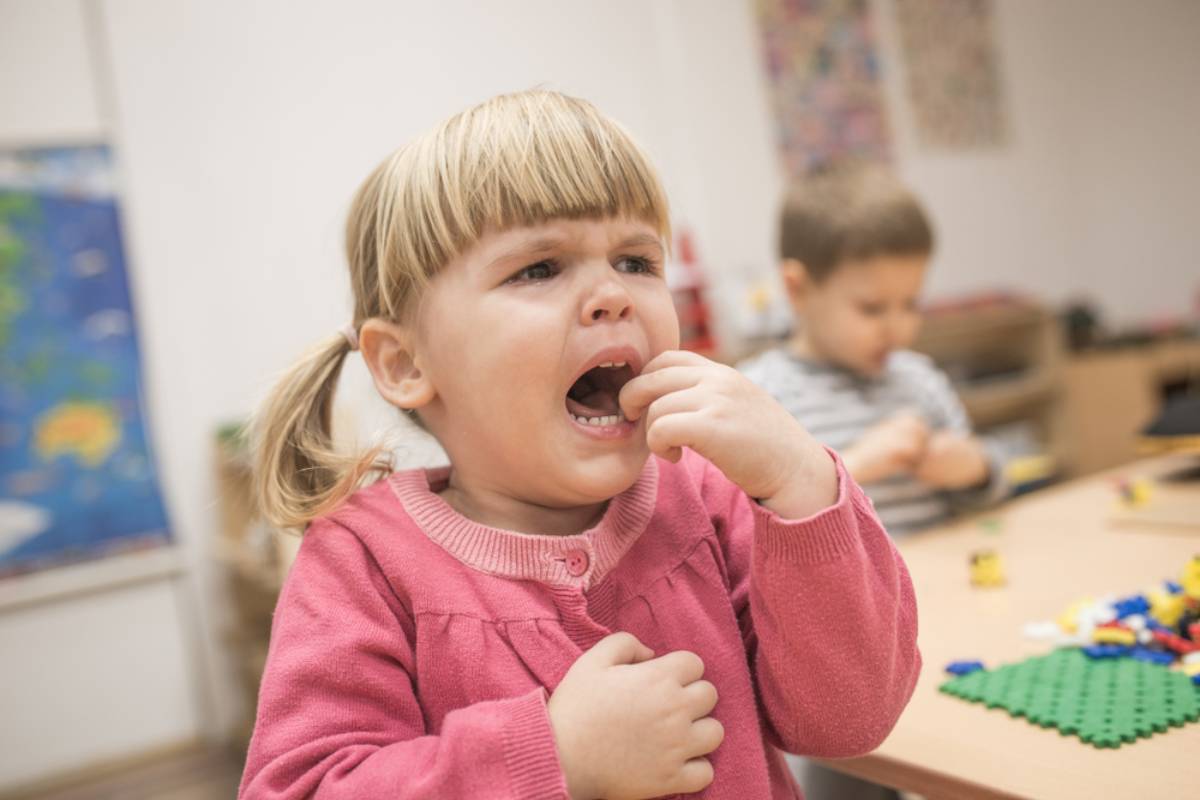
Three days before sharing her story, the mother and her daughter were watching a YouTube video featuring a children’s book about a pigeon who did not want to go to school. They had not even reached the end of the story when the little girl suddenly turned toward her mother. Tears began welling in her eyes, and she started crying that she did not want to go to school anymore.
Her mother tried to explain that the pigeon eventually realized school could actually be enjoyable. That explanation did not seem to land at all, and the little girl remained upset. From that moment on, school stopped being something she eagerly anticipated and became something she seemed genuinely afraid of.
The Morning Tears Quickly Became a Pattern
The change did not happen only at drop-off. Her mother said the crying began appearing throughout the day, including before school, after school, and even at bedtime. What had seemed like a sudden emotional reaction to a story had quickly turned into a constant worry. Within just a few days, the family was dealing with a completely different child at school time.
Drop-off became especially difficult because the girl would cry hysterically and refuse to walk inside. She was so upset that she would not even eat her lunch or snack once she arrived. For her mother, watching such a dramatic change in a child who had previously loved school was both confusing and heartbreaking.
Her Mother Tried to Find a Reason
Naturally, her mother began asking questions. She tried talking calmly with her daughter, showing her the end of the story, reasoning with her, and asking what had happened at school. Each attempt seemed to lead back to the same answer. The little girl simply said she wanted to stay home with her mother.
Her mother also wondered whether something at school had frightened or upset her daughter. Yet the explanations the child offered seemed surprisingly small, including difficulty getting her backpack out of a cubby. She also mentioned that her teacher talked loudly, which made her mother wonder whether an ordinary classroom experience had become much bigger in the child’s mind.
The Teacher’s Voice Became Part of the Mystery
The teacher’s volume stood out because her mother described her as an older woman who was actually difficult for the mother herself to hear. In a classroom of 18 children, the teacher apparently raised her voice so everyone could hear her. From an adult perspective, that explanation sounded reasonable.
For a 4-year-old who had suddenly become anxious, however, the experience might have felt completely different. Her mother had already told her daughter that she could ask the teacher for help if getting her backpack out of the cubby was difficult. Still, there was no clear sign that either of these issues explained why the little girl had gone from running into school to refusing to enter.
The Sudden Timing Made It Even Stranger
The timing was what made the situation especially puzzling. The girl had not gradually become unhappy with school over several weeks. She had apparently been enthusiastic one day and then deeply resistant almost immediately after watching the story.
Her mother could not shake the possibility that the book had somehow triggered the fear. The story included questions about having to go to school, worrying that the teacher might not like the child, and being scared about what might happen there. A response from a person suggested that the little girl may have connected so strongly with the pigeon that she began seeing her own school experience through the character’s fears.
She Had Plenty of Previous School Experience
There was another detail that made the sudden change even harder to understand. This was not the girl’s first experience in a school environment. Before UPreK, she had attended both a 2-year-old program and a 3-year-old program.
Those earlier programs met only two days a week, yet she had loved going to them as well. All of the programs had taken place at different schools, so this was not simply a child experiencing school for the first time. She had already shown that she could adjust to new classrooms and enjoy the routine.
Could the Story Have Put New Fears in Her Head?
One response from a person focused on the way the pigeon story presented school. The character wonders why school is necessary, worries about whether the teacher will like them, and even wishes they could return to being a baby. Those are the kinds of concerns that a young child might understand emotionally even without fully understanding the story itself.
The suggestion was that the girl could be identifying with the character rather than merely watching a funny children’s book. In that case, the story may have introduced fears she had never consciously considered before. Her mother had not expected a simple storytime video to become connected with the morning school routine, which made the whole sequence feel almost surreal.
A Pigeon Buddy Entered the Conversation
The same response offered a surprisingly practical idea. Instead of trying to argue the child out of her fear, her mother could ask whether she would feel better going to school if the pigeon came along too. A small pigeon-themed stuffed toy, bag charm, or another tiny object could potentially become a comforting reminder of home.
The mother considered the idea but immediately ran into another practical concern. She was unsure whether the school would allow a toy because other children might also decide they wanted to bring something from home. A response from a person suggested that a less noticeable item, such as a tiny bag charm or pigeon pin, might serve the same purpose without becoming a classroom distraction.
Her Mother Still Needed to Rule Out a Real Problem
Even though the book seemed like an obvious trigger, one response emphasized that the family should first make sure there was nothing genuinely upsetting happening at school. A young child may not always have the words to describe a social problem, an uncomfortable interaction, or something that made them feel embarrassed. A seemingly trivial explanation does not necessarily mean the underlying emotion is trivial.
Her mother was already trying to investigate that possibility by asking questions. The challenge was that the daughter did not seem able to explain what had changed. That left her mother trying to separate a temporary fear sparked by a story from a real problem that might be happening inside the classroom.
The Hardest Part Was How Fast Everything Changed
The emotional whiplash was perhaps the most difficult part of the story. The same child who once wanted to be first through the classroom doors was now crying before school even began. Her mother had watched her daughter succeed in multiple school settings, so there was no obvious reason to expect such a dramatic reversal.
The suddenness also meant there had been very little time to adjust. Instead of gradually working through a normal preschool separation issue, the family found themselves dealing with intense distress almost immediately. Her mother was clearly searching for something that could make sense of a change that seemed to have no logical explanation.
Even Familiar Solutions Were Not Working
Showing the child the happy ending of the pigeon story did not help. Explaining that the character eventually liked school did not help either. Even asking direct questions and trying to reason through the situation seemed to leave the little girl stuck on one simple idea: she wanted to stay home with her mother.
That made the situation especially difficult because the usual reassurances had nothing to grab onto. Her daughter was not saying that she hated a particular subject or had one obvious conflict with another child. She was simply expressing a strong desire to avoid school altogether, and the intensity of that reaction was becoming impossible to ignore.
Her Mother Was Looking for a Way Through the Rough Patch
By the time she shared her story, the mother was no longer looking for a single perfect explanation. She was hoping for ideas, reassurance, and practical ways to help her daughter get through what she described as a rough patch. She wanted to understand the fear without making it even bigger.
For now, she seemed to be balancing two possibilities at once. Maybe the little girl had become deeply absorbed in a story and accidentally borrowed the pigeon’s worries as her own, or maybe something at school needed closer attention. Either way, the once-happy preschool routine had suddenly become a daily emotional battle.
A Simple Story May Have Opened a Much Bigger Conversation
The strangest twist in the whole situation was that nothing dramatic appeared to happen at school before the fear started. Instead, the turning point came during a children’s story that was supposed to be harmless entertainment. A fictional pigeon had spent a few minutes worrying about school, and suddenly a real preschooler was crying because she did not want to go there.
That does not necessarily explain everything the child is feeling, but it gives her mother an unexpected place to start. The story has opened a conversation about fear, teachers, school routines, and the possibility that young children can sometimes absorb an idea more deeply than adults expect. What looked like a simple video may have become the beginning of a much larger conversation about why school suddenly feels scary.