A Mom Says Her Daughter Is Starting Kindergarten, and She Just Realized Every Playdate Could Mean Keeping a Trunk Full of Booster Seats

A person shared their story after realizing that their daughter will soon enter kindergarten, which opened the door to a surprisingly practical problem. The child will eventually have friends over, go on playdates, and probably need rides to activities, so the parent started thinking about what happens when those friends climb into the family car. The question sounded simple at first, but the state’s booster-seat rules made it much more complicated.
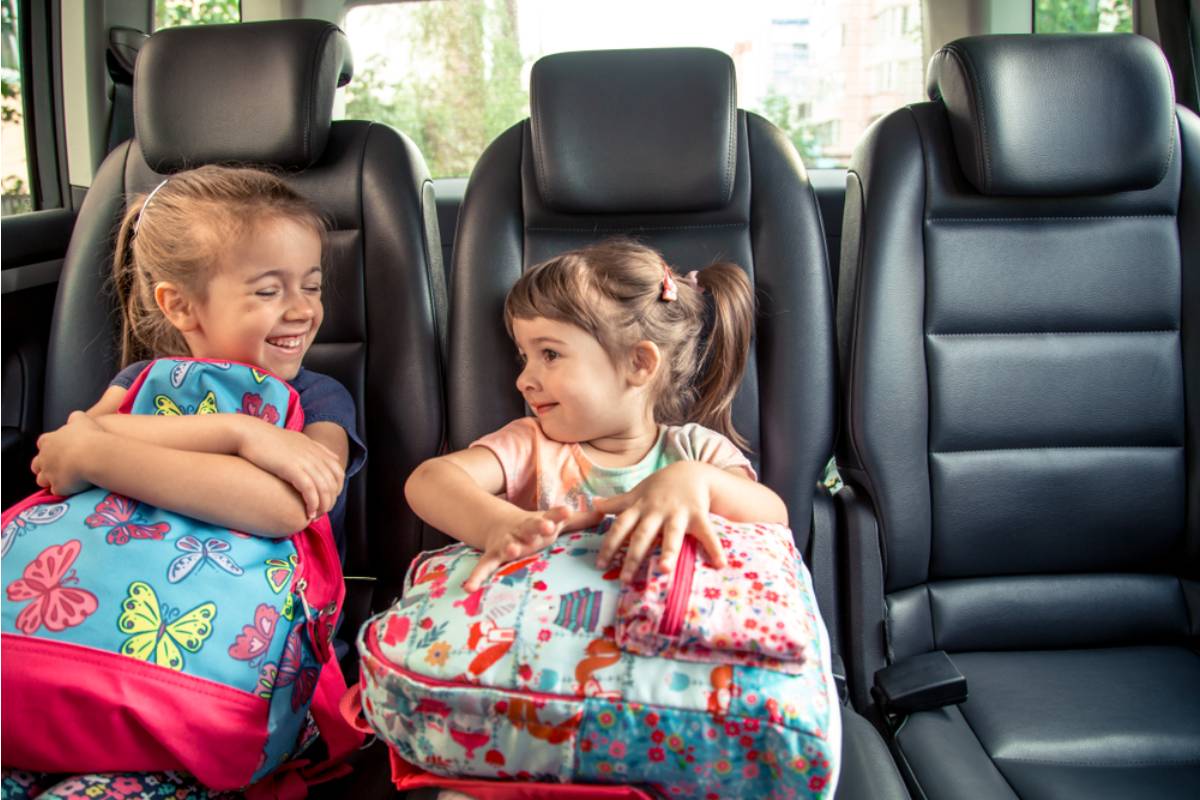
The parent explained that the law where they live requires children to use a booster seat until they reach 4 feet 9 inches tall. That height can come surprisingly late for some children, meaning a car full of elementary school friends might still need several boosters. Suddenly, a normal afternoon drive to the park could look more like a small transportation operation.
Childhood Habits Made the New Rules Feel Strange
The parent admitted that their own childhood experience made the situation even harder to picture. They remembered simply sitting in the back seat as a child and eventually stopping booster-seat use at around age five in the late 1990s. Compared with that memory, the idea of carrying booster seats for several children felt almost absurd.
But childhood habits are not always a useful guide to current safety rules. The parent was now looking ahead with a different set of responsibilities and a much younger child to protect. What used to be a routine ride across town suddenly involved checking heights, seats, and legal requirements.
Kindergarten Turned the Question Into a Real Concern
With kindergarten coming up, the question was no longer hypothetical in the distant future. Once children begin making friends, invitations and playdates can create situations where one parent ends up driving several kids at once. The parent wanted to know whether having multiple booster seats permanently stacked in the car was simply part of modern parenting.
There was also a practical issue hiding underneath the question. Booster seats take up space, and families do not necessarily have an extra one for every possible passenger. The parent wondered whether there was some unwritten system other families had already figured out.
One Response Offered the Simplest Solution
A response from a person suggested a remarkably straightforward rule: the other parent provides the booster seat. The idea was that when children need to be driven somewhere by another family, they simply bring their booster along with them. That same approach was described as common during school trips involving parent drivers.
It transformed the problem from “How many boosters should I own?” into “Which child needs which seat?” Instead of filling the trunk with equipment for every possible situation, parents could pass the responsibility along with the child. The solution was almost comically simple compared with the complicated scenario the original question had imagined.
Spare Boosters Became the Popular Backup Plan
Several responses pointed toward another practical option: keeping an extra booster in the trunk. Parents described having one or more spare seats ready for unexpected passengers. That way, a surprise playdate or last-minute pickup would not turn into a frantic search for the right equipment.
Some parents even kept multiple boosters because they regularly drove their children’s friends. Others said inexpensive backless boosters were easy enough to store around the house and grab whenever needed. The message was clear: a spare seat could become one of those oddly specific parenting items that suddenly seems essential.
Some Families Keep Boosters in More Than One Car
Another response described moving booster seats between two family vehicles depending on who needed to transport children. One household kept seats available in both cars and adjusted the setup when they knew they would be driving extra kids. It was less about owning a giant collection and more about planning ahead.
For families with several children, the system could become even more elaborate. One person explained that their household could fit several booster seats in one car and even more in another. The numbers sounded excessive until the practical reality became obvious: once multiple children regularly travel together, booster seats multiply quickly.
Inflatable Options Added a Surprise Twist
Then came an option that made the entire discussion take another turn. Some people said they used inflatable booster seats, especially for travel or situations where a compact backup was useful. Those seats could be stored more easily than traditional equipment and brought out when needed.
A person explained that their family kept inflatable boosters for travel and sometimes used them for guest children. Another parent said they had even bought one for emergency contacts so those adults would have a suitable option if they suddenly needed to pick up a child. What began as a question about bulky booster seats had now uncovered an entire mini-system of backup transportation gear.
Some Parents Simply Require the Child to Bring a Seat
Not everyone saw a need to own extra equipment. Several people described a simple family rule: if a child needs a booster and wants to ride in their car, the booster comes with the child. There was no need to argue over storage when the seat could simply travel with its owner.
One person compared it to any other item a child might need for a specific activity. The parent driving is responsible for the ride, but the child’s family can provide the equipment needed for that child. For many families, that arrangement seemed to eliminate most of the hassle immediately.
School Transportation Raised a Bigger Debate
The conversation also drifted from playdates to school field trips, where the issue became much bigger than a single family car. One person said their school district did not even allow parents to transport their own children during field trips, requiring students to use district buses instead. That person was surprised to hear that some schools allow parents to drive other people’s children.
Another response pointed out that not every school system has enough buses or can afford charter transportation for every trip. In some communities, parent drivers are the only practical way to make field trips happen. Those parents may have to complete background checks, provide insurance information, or meet other requirements before driving children.
Safety Rules Were Clearly Different From Family to Family
The responses showed just how much transportation practices can vary depending on where a family lives. Some parents described extensive screening and training before adults could transport children through school activities. Others said they were accustomed to families simply arranging rides among themselves.
There was also debate over school buses themselves, especially because some modern buses use seat belts while many traditional buses do not have the same setup as passenger vehicles. One response explained that booster seats are designed to position a smaller child correctly for an adult-sized shoulder belt, while school buses are built differently for children. That helped explain why a child needing a booster in a family car does not automatically need one on a school bus.
Then Someone Pointed Out an Unexpected Detail About the Law
A few responses suggested checking the exact wording of the state’s law because some places use an age-or-height rule rather than a strict height-only requirement. That sounded promising for the parent, who was hoping there might be an easier way around the problem. Then the original poster clarified that they live in Washington state.
The parent explained that the relevant rule applies to children under 16, which meant the age-based shortcut people were imagining did not solve their particular concern. That clarification changed the tone of the discussion. What sounded like a possible legal loophole turned out to be a dead end for this family.
Some Parents Were Already Preparing for Emergency Rides
A particularly practical theme emerged from parents who planned for situations they could not predict. Some kept an extra booster specifically because they might suddenly need to pick up another child. Others kept seats available for emergency contacts who might need to transport their children on short notice.
The idea was less about constantly carrying a mountain of gear and more about having a backup plan. A spare seat in a trunk, hallway, or closet could mean the difference between helping another family and having to say no. For parents who regularly serve as emergency pickups, the extra equipment was described as surprisingly useful.
Height Made the Timeline Longer Than Expected
The original concern also highlighted something many parents may not think about until they are living it: children can remain under the commonly discussed height threshold for years. Some people mentioned that their children were still using boosters well into later elementary school. Others recalled being short enough to need one much longer than they expected.
One response even came from a person who joked that they were still only 4 feet 9 inches at an older age, turning the height requirement into an unexpected punchline. Another parent described having a child who remained in a high-back booster into the preteen years. The discussion made one thing clear: height does not always follow the neat timeline adults remember from childhood.
The Final Answer Was Simpler Than the Question
By the end of the conversation, the original transportation puzzle had a surprisingly consistent solution. Parents generally described either asking children to bring their own booster seats or keeping one or two inexpensive extras available for unexpected passengers. Some families also used compact travel options when storage space was an issue.
What started as a worried question about needing an entire fleet of booster seats turned into a much more manageable parenting routine. A person shared their story because kindergarten made the issue suddenly feel real, but the responses showed that other families had already found practical ways to handle it. The twist was that there was no elaborate secret system at all, just a little planning, a spare seat, and a willingness to make sure every child rides safely.