Wisconsin Midwife Amber Latsch Delivered Twins at 32 Weeks, Then Spent Their First 7 Days Intubated as Acute Fatty Liver of Pregnancy Caused Kidney and Liver Failure

Seven days. That is how long Amber Latsch, a certified nurse midwife in Wisconsin, was sedated and intubated in an intensive care unit after delivering twins at 32 weeks, according to her own account in Newsweek. She had acute fatty liver of pregnancy, a rare condition that, in her telling, caused kidney and liver failure.
Latsch, 36, has been a certified nurse midwife since 2017. She wrote the piece with Alyce Collins, and she lives in Wisconsin with her husband, Garrett, their 11-year-old son and their 7-year-old twins.
From a twin pregnancy to an urgent cesarean
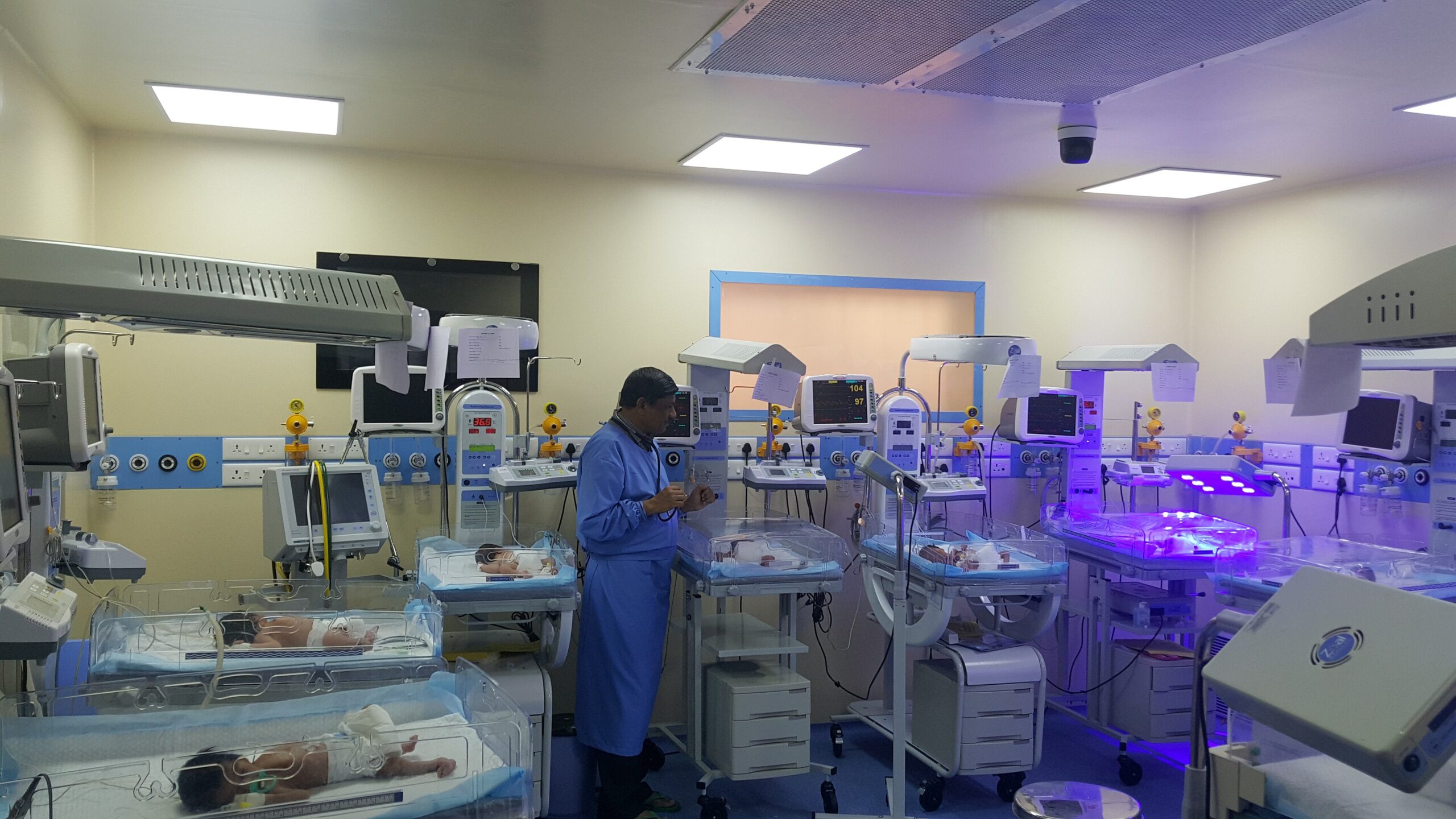
Latsch learned at about six weeks that she was expecting twins, Newsweek reported. At 32 weeks she became very ill, and her husband took her to the hospital. Doctors recommended an urgent cesarean section, and the twins were born about 30 minutes later. Both babies were healthy, though they spent just over a month in the NICU.
A fundraising page created by the Professional Fire Fighters of Wisconsin Charitable Foundation for the family says the twins were born on July 7 at 32 weeks and were weaning off oxygen in the NICU, while Latsch’s health declined during the birth. The page says she was in the ICU in critical condition, had several surgeries and remained intubated. Her husband works as a paramedic for the City of Middleton, the page says, and it is no longer accepting donations.
A podcast appearance gives the year. In a September 2021 episode of the Critical Care Obstetrics Podcast, Latsch is introduced as a survivor who became gravely ill while giving birth to twins in 2019, and the description says her husband, a paramedic, knew something was not right and advocated for her throughout her care.
HELLP was suspected first, then AFLP
According to Newsweek, doctors first suspected HELLP syndrome and then determined that Latsch had acute fatty liver of pregnancy, known as AFLP. After the birth she had a postpartum hemorrhage that led to hypovolemic shock. Newsweek attributed her kidney and liver failure to the AFLP, while the hemorrhage was what led to the shock.
Her treatment was extensive. She received more than 50 units of blood products, an exploratory laparotomy that removed three liters of blood from her abdomen, a wound vacuum and a uterine artery embolization. She was sedated and intubated in the ICU for seven days, which means she was on a ventilator for roughly the twins’ first week of life, and she was extubated seven days after surgery. Latsch wrote that she was lucid during this period and believed she was talking normally, though no one could understand her.
The article does not name the hospital where she was treated.
What AFLP is, and how rare
The National Organization for Rare Disorders describes acute fatty liver of pregnancy as an uncommon but serious complication that develops in the final trimester or shortly after delivery and can threaten the lives of both mother and baby. Symptoms include jaundice and worsening liver damage, and it can progress to acute liver failure and encephalopathy, which affects brain function.
The incidence is hard to pin down. A StatPearls review from the National Library of Medicine puts it at about 5 cases per 100,000 pregnancies and cites other estimates of 1 in 7,000 to 20,000. Cleveland Clinic gives 1 in 10,000 to 20,000 pregnancies each year. Both place it late in pregnancy. StatPearls says onset is usually between 30 and 38 weeks, and Cleveland Clinic says the average gestational age at diagnosis is 36 weeks.
Symptoms in StatPearls include nausea, vomiting, loss of appetite and abdominal pain, and some patients have high blood pressure and protein in the urine, usually from concurrent HELLP or preeclampsia. Acute liver failure brings jaundice, fluid in the abdomen, clotting problems and confusion.
Why delivery is the treatment, and what follows
Both references say delivery is the central treatment. StatPearls says supportive resuscitation and prompt delivery of the baby are the cornerstones, that expectant management is not appropriate, and that cesarean delivery is often needed for maternal or fetal distress. Cleveland Clinic says the liver can begin healing once the baby and placenta are delivered, and that liver function typically returns to normal within 10 days.
The complications that Latsch described match those the references list. StatPearls names kidney failure, disseminated intravascular coagulation and hemorrhage as potentially lethal complications, and says maternal mortality has fallen to less than 5 percent from more than 75 percent in the past. Cleveland Clinic lists liver, kidney and lung failure, infection and hemorrhage, and says the risk to the baby is usually lower than the risk to the mother.
Cleveland Clinic says the risk of AFLP in future pregnancies is unknown, and that providers may suggest genetic testing and maternal-fetal medicine monitoring.
Four months to recover, and a harder road after
Latsch took about four months to recover physically, Newsweek reported. She later sought therapy for the mental toll of the experience, which she wrote strained her marriage.
The twins’ month in the NICU is a stay other families know. A Pittsburgh NICU nurse made more than 80 tiny Halloween costumes so a baby’s big sister could see him dressed as Elmo, a reminder of what those weeks can involve.
Latsch now practices as a midwife and has a particular interest in maternal mortality and morbidity and in system-level interventions to keep mothers and babies safe, the podcast description says. It lists her Instagram handle as @aflp_midwife.
Get stories like this by email. Sign up for The Parent Diaries Letter.
This article was produced with AI assistance and edited for accuracy against the sources linked above.
Image: Kaveri appala – CC BY-SA 4.0/Wikimedia Commons