
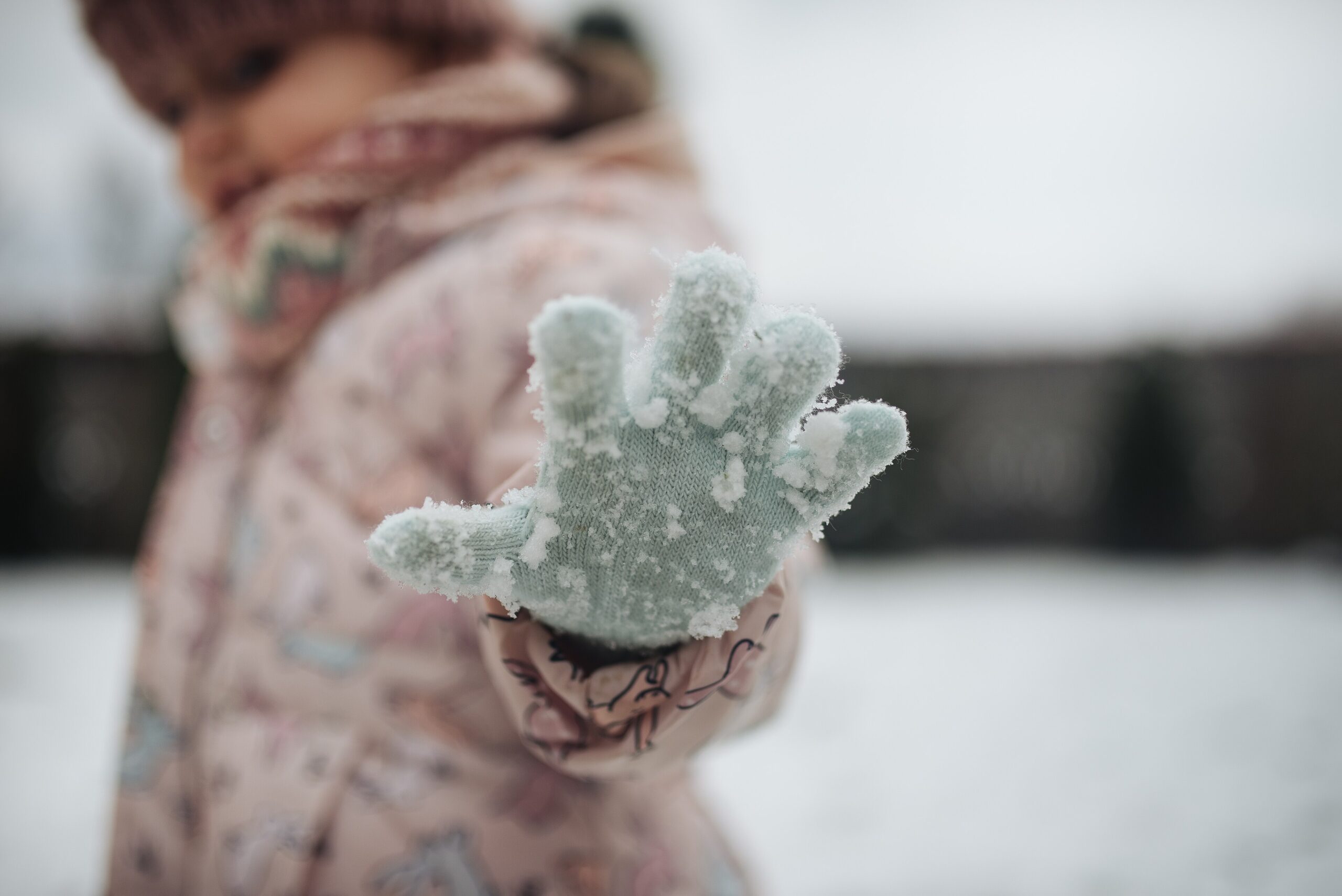
Young Children Need One More Layer Than Adults in the Cold, the AAP Says, and Frostbitten Skin Should Be Warmed in 104-Degree Water, Not Rubbed

The American Academy of Pediatrics has a simple rule for dressing young children for the cold: add one more layer than an adult would wear in the same conditions. The advice sits in the AAP’s cold weather safety guidance for older babies and young children, which also covers what to do if skin starts to freeze: warm it in 104-degree water and do not rub it. Fatherly, KidsHealth, the Centers for Disease Control and Prevention and Mayo Clinic fill in the details.
How to layer a young child for the cold
The AAP recommends several thin layers, which “will keep them dry and warm,” along with warm boots, gloves or mittens and a hat. The extra layer for older babies and young children is measured against what an adult would wear in the same weather.
For babies, the benchmark in a Fatherly guide on dressing babies in winter is similar. Pediatrician Alison Mitzner, MD, says babies should wear at least as many layers as their parents. She describes a typical stack that runs from a thin onesie to several long-sleeved shirts and pants, then a sweater or sweatshirt, and finally a coat or snowsuit, with socks worn under footie pajamas. Mitzner also says every child, and every adult, needs a hat in winter weather.
Thin layers have a practical advantage. KidsHealth’s winter safety page says layers keep the warmth in, that a child whose outer layer gets wet can remove it to reach a dry one underneath, and that the colder it is, the more layers a child needs. It suggests tucking an extra pair of dry gloves or mittens into a child’s pockets for longer outings.
Mitzner recommends packing spare clothes, hats, mittens and socks, since a poorly fastened diaper or a wet blowout can soak through layers and leave a baby cold. Wet cotton loses its insulating value, according to the Fatherly guide.
Sleep calls for different rules. The AAP says blankets, pillows and other loose bedding stay out of an infant’s sleep space because loose bedding is linked to suffocation deaths. It suggests one-piece sleepers or wearable blankets instead.
How to dress a child for the car seat
Bulky winter gear and car seats do not mix. The AAP advises thin, snug layers in the car instead of bulky coats or snowsuits, and Mitzner says to take off bulky coats and snowsuits before buckling in because harness straps must fit snugly. If a child needs more warmth, she suggests putting a blanket over the buckle and harness, not underneath it. Hats, gloves and boots can stay on.
Mitzner also recommends warming up the car, including the heater, a few minutes before departure, and keeping a car seat carrier indoors when it is not in use. She adds extra time to every outing for warming the car, adjusting straps and arranging blankets.
How to recognize hypothermia and frostbite
Children can become hypothermic faster than adults, the AAP says. Its signs include shivering, lethargy, clumsiness and slurred speech, and the first-aid advice is to call 911 right away, then bring the child indoors, remove wet clothing and wrap the child in blankets or warm clothes until help arrives. Mitzner treats shivering as the cue to head inside, noting that it can signal developing hypothermia, defined as a core body temperature below 95 degrees. Mayo Clinic’s frostbite first-aid page lists intense shivering, drowsiness, confusion, fumbling hands and slurred speech as signs that need emergency care.
Frostbite most often affects fingers, toes, ears and the nose. The AAP says affected skin looks pale, gray or blistered, and the child may say it burns or feels numb. KidsHealth lists cheeks as well and says frostbitten skin turns very cold and white or yellowish gray. It describes an earlier warning stage called frostnip, which leaves skin red and numb or tingly.
Older, more mobile children are at greater risk of frostbite than infants, Mitzner says. The CDC’s hypothermia and frostbite guidance tells readers to watch for signs among at-risk groups that include babies, to seek immediate medical attention when hypothermia or frostbite is suspected, to wear warm clothing that covers the skin, to remove wet clothing immediately and to limit time outdoors.
How to rewarm frostbitten skin
Water temperature is where the AAP is most specific. A child with frostbite should come indoors, and the affected areas go into warm water at 104 degrees Fahrenheit, which the AAP compares to the temperature of most hot tubs. The water should be “warm (not hot),” and frozen areas should not be rubbed. For the nose, ears and lips, warm washcloths can stand in for a soak.
The AAP says that after a few minutes the child should be dried, covered with clothing or blankets and offered something warm to drink. If numbness continues for more than a few minutes, it advises calling a doctor.
The other medical sources agree on the method but differ on duration and urgency. Mayo Clinic describes soaking the skin in warm water, or applying warm, wet cloths to the nose or ears, for about 30 minutes, and it does not specify a temperature. KidsHealth puts the soak at about 20 to 30 minutes for chilled areas and says that for frostbite itself, a parent should take the child to the nearest hospital emergency room right away.
Mayo Clinic adds what not to do: do not rub the skin with snow or anything else, and do not rewarm frostbitten skin with direct heat such as a stove, heat lamp, fireplace or heating pad. It also advises removing rings or tight items before the area swells, and offering a warm, nonalcoholic drink. Mayo says to seek medical care for any frostbite beyond mild frostnip.
Get stories like this by email. Sign up for The Parent Diaries Letter.
This article was produced with AI assistance and edited for accuracy against the sources linked above.
Image: Shixart1985, CC BY 2.0, via Wikimedia Commons


