Mom Says She Refused to Let Her Child Stay Home Alone Overnight Now the Kid Says She Doesn’t Trust Them

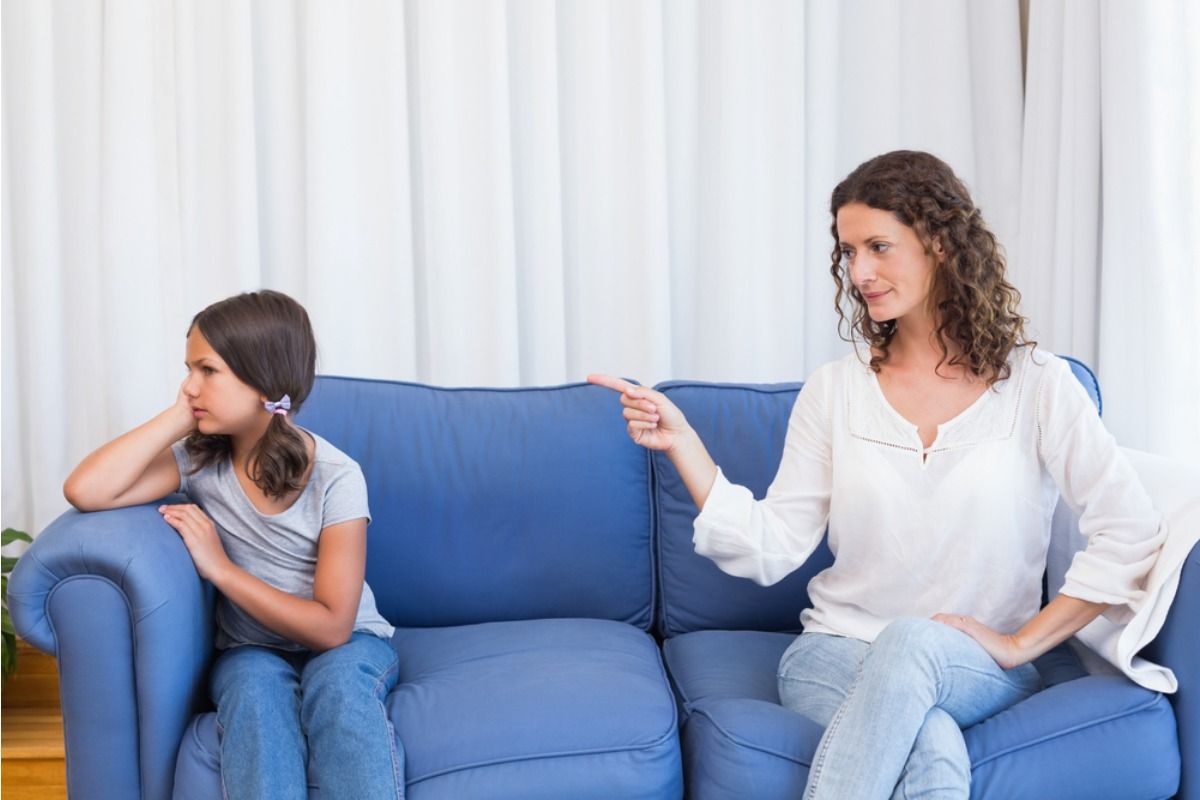
A mom says she refused to let her child stay home alone overnight, and what she saw as a safety decision has now turned into a tense argument about trust, independence, and growing up.
The Request Came With Confidence
Her child didn’t ask hesitantly, they asked with full confidence. They believed they were ready. They explained they could handle it. And they expected a reasonable discussion. But the response came faster than they expected.
The Overnight Detail Changed Everything
Staying home for a few hours had already been allowed before. But overnight felt different to her. It wasn’t just about being alone. It was about an extended period with no supervision. And that made the decision feel more serious.
The Refusal Was Immediate
She didn’t take long to answer. Her response was a clear no. From her perspective, it wasn’t about debate. It was about safety and responsibility. And she felt firm about that boundary.
The Reaction Was Frustration
Her child didn’t accept the decision calmly. They felt it was unfair. They believed they had already shown enough responsibility. And being denied felt like a step backward instead of forward.
The Phrase “You Don’t Trust Me” Came Up
During the argument, the child said she didn’t trust them. That statement shifted the conversation. It made the issue emotional. And turned it into something deeper than just staying home.
She Focused on Safety Concerns
From her perspective, trust wasn’t the main issue. It was about risks. Emergencies, unexpected situations, and being alone for too long. She saw it as a precaution. Not a judgment of ability.
The Child Focused on Independence
For the child, the request was about growing up. It was a chance to prove responsibility. To feel trusted. And to gain independence. Being told no felt like being held back.
The Argument Became Repetitive
The same points came up again and again. Safety versus trust. Experience versus caution. Each side repeated their reasoning. And neither felt understood.
The Atmosphere Became Tense at Home
After the conversation, the mood shifted. Interactions became shorter. There was visible frustration. And the disagreement lingered beyond the moment itself.
Outside Comparisons Made It Worse
The child mentioned others who were allowed to stay home alone. Friends who had more freedom. That comparison made the decision feel stricter. And increased the sense of unfairness.
A Conflict Between Protection and Trust
In the end, the situation isn’t just about staying home overnight, it’s about how parents balance protecting their children while also giving them independence, and how easily those two ideas can feel like opposites from each side.