Jimmi Small, 18, Felt Sore After a Montana Gym Workout That Ended on the StairMaster. Her Muscle Enzyme Level Hit About 16,000, and an Ambulance Took Her to Billings.

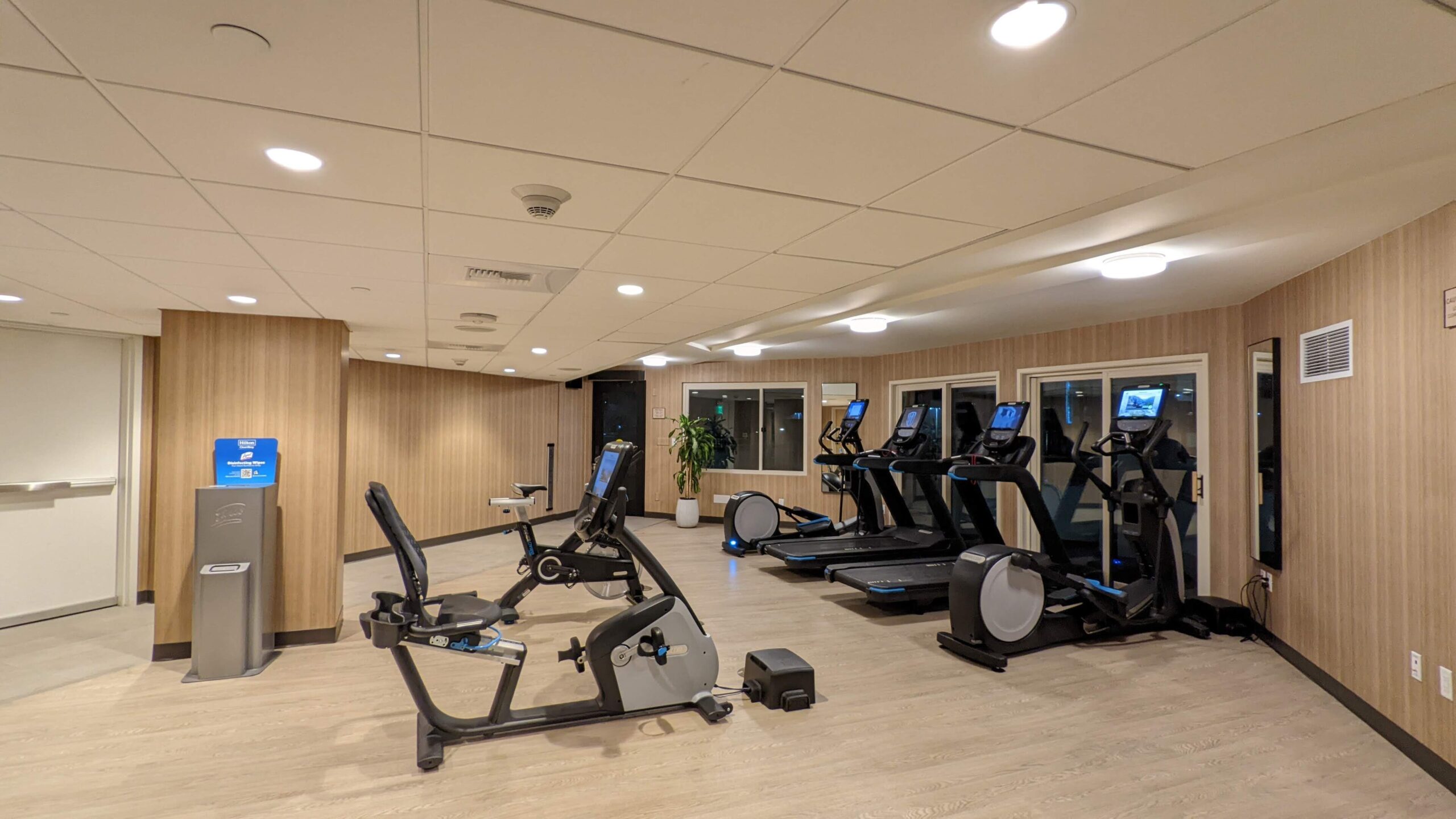
Jimmi Small did not think much of the soreness at first, and neither did her mother. The 18-year-old from Lame Deer, Montana, had done what she called a fairly normal gym workout in October: some time on the treadmill, a few exercises and a finish on the StairMaster. The next day, her thighs were hot and rock hard. A local clinic found her creatine kinase, an enzyme muscles release when they break down, at around 16,000, and she was sent by ambulance to a hospital in Billings, according to Q2 News (KTVQ).
The diagnosis was rhabdomyolysis, the same condition a father has blamed for the death of a 24-year-old runner after this year’s New York City Marathon.
Soreness That Wasn’t Normal
Small played basketball all through high school and works with her dad. She told the station the workout was not her first and that she is pretty active, which is why the pain surprised her.
Her mother, Jennifer Small, remembered the conversation. Jimmi told her that her legs hurt. Jennifer told her that was because she had worked out. Jimmi pushed back and said that no, they really hurt.
After searching online, Jimmi told her mom she thought it was rhabdo. Jennifer said she told her daughter to go to bed and stop looking things up. The next step was the clinic, and the CK result that changed everything.
An Ambulance to Billings
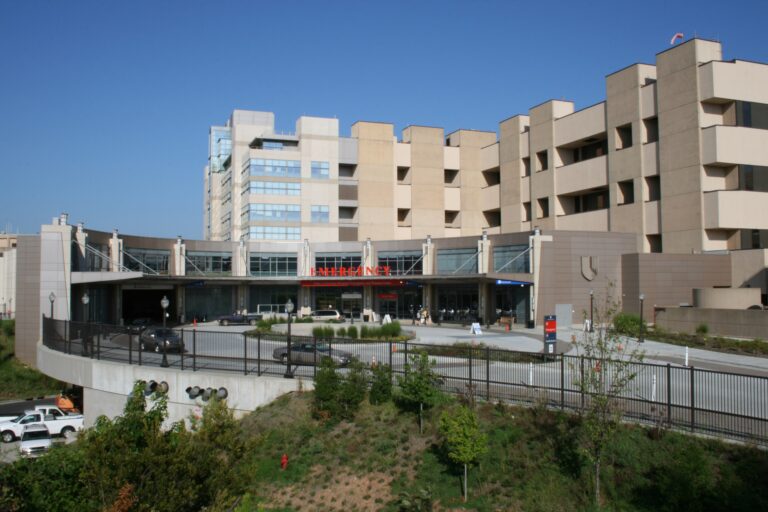
From the clinic, Small was taken by ambulance to Intermountain Health’s hospital in Billings, where her CK level kept climbing. She spent several days there receiving IV fluids. Her family said doctors warned that she might need intensive care, and Jennifer recalled a doctor telling them, “This isn’t funny. This is really serious.”
Follow-up tests showed her levels had returned to normal, and she was able to go home. Her body, the family says, is still recovering.
What Rhabdomyolysis Does
MedlinePlus, from the National Library of Medicine, defines rhabdomyolysis as the breakdown of muscle tissue that releases muscle fiber contents into the blood, where they can damage the kidneys. Severe exertion, such as marathon running or calisthenics, is one of the listed causes. Symptoms include dark, red or cola-colored urine, muscle tenderness, weakness and stiffness.
Doctors diagnose it with blood tests, including creatine kinase. Treatment usually means fluids, often through an IV, and some patients need dialysis. How a person does depends on kidney damage, and prompt treatment lowers the risk of permanent injury, according to MedlinePlus.
The Cleveland Clinic warns that jumping into an exercise program too fast can lead to rhabdomyolysis, and lists endurance athletes, people working in heat and military trainees as higher-risk groups. Symptoms usually show up one to three days after a muscle injury. The clinic advises seeing a provider right away if muscle pain, weakness or swelling continues for a few days after exercise.
The Centers for Disease Control and Prevention links rhabdomyolysis to heat stress and prolonged physical exertion, and lists muscle cramps or pain, tea- or cola-colored urine, weakness and exercise intolerance as symptoms. The CDC notes that some people have no symptoms at all. Anyone with signs should stop the activity, drink fluids, get to the nearest medical facility and ask to be tested, which involves a blood test for creatine kinase.
The Marathon Death That Made It News
Rhabdomyolysis drew national attention this month after Rachel Apa, 24, a former Bucknell University field hockey player, died after the 2026 New York City Marathon. Her father told The New York Times she died of rhabdomyolysis, Good Morning America reported. Race organizers did not confirm a cause of death.
GMA explained that damaged muscle can overwhelm the kidneys and lead to acute kidney injury, and that early symptoms can look like heat cramps or heat exhaustion.
When Small heard about Apa, she said the message was simple: it is serious, and it should be taken seriously.
Advice From a Mother and Daughter
Both mother and daughter now have advice for other families. Jimmi urges people to trust their gut and believe what their own bodies are telling them, not just what others say.
Jennifer’s advice is aimed at parents: listen to their own bodies, and, as she put it, probably listen to their kids, too.
Parent Diaries has shared other stories of symptoms that turned out to be serious, including a mom who kept pushing after three ER visits.
Get stories like this by email. Sign up for The Parent Diaries Letter.
This article was produced with AI assistance and edited for accuracy against the sources linked above.
Image: Baron Maddock – CC BY 4.0/Wikimedia Commons