Wesley Oleshko’s Mom Thought He Had a Stomach Bug. After Three ER Visits in Three Days, a Scan Found Bleeding in His Brain.

Kimberly Oleshko was sure her little boy had caught a stomach bug. Wesley, who was 3 at the time, had stomach pain and kept vomiting, and the family headed to the emergency room. Then they went back. Then they went back a third time, all within three days.
What finally changed the picture was a headache. A scan the next day showed bleeding inside Wesley’s brain, caused by a tangle of blood vessels of a kind that usually forms before birth, NBC Chicago reported. Wesley, now 4, was treated with a single procedure and was back to playing within days.
Three trips to the ER for what looked like norovirus
The first assumption made sense to everyone involved. Stomach pain and vomiting in a preschooler usually point to a virus, and Kimberly Oleshko told the station the family assumed right away that it was norovirus.
Wesley went to the emergency room three times in three days. Each visit centered on the symptoms that looked like a stomach illness. But something did not add up for his mother. Stomach bugs tend to travel through a household, and no one else in the house was getting sick, including Wesley’s brother, Landon.
Kimberly Oleshko told NBC Chicago that when three days passed and nobody else had gotten sick, it “felt like a red flag.”
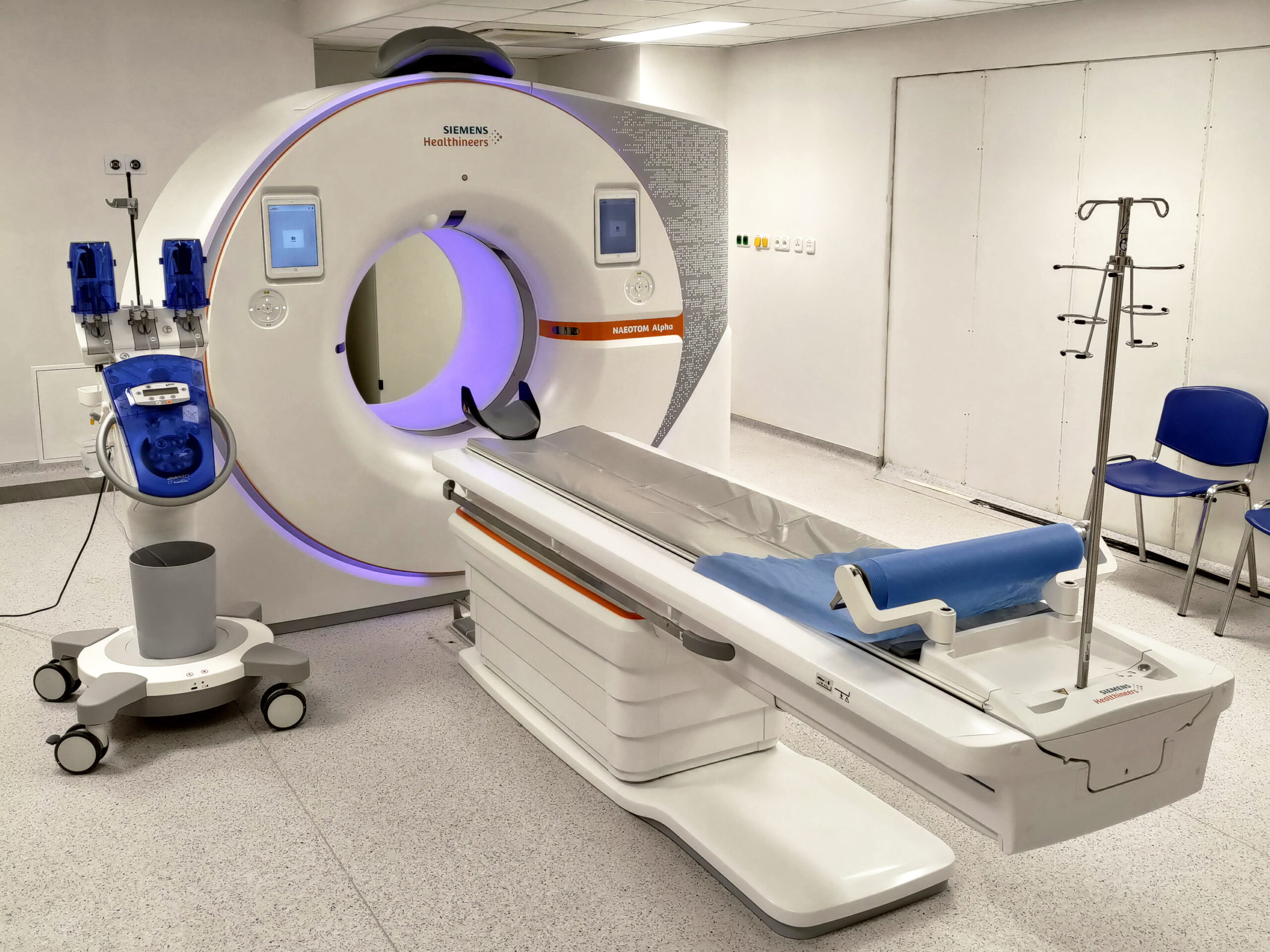
Then Wesley started complaining that his head hurt, and bright light bothered him. At his pediatrician’s office the next day, a CT scan was ordered.
What the scan showed
The scan revealed a brain arteriovenous malformation, or AVM, in the frontal lobe, and it had already bled. Wesley was diagnosed in April and admitted to the pediatric intensive care unit, where he waited about a week for the swelling in his brain to come down before doctors could treat the malformation itself.
An AVM is an abnormal tangle of arteries and veins that connect directly to each other instead of passing blood through the tiny capillaries in between. AdventHealth’s neuroscience institute says a brain AVM usually forms before birth and is present from birth, but it may not cause any noticeable problem until later. Many are found by accident during unrelated care. The main danger is bleeding.
The condition is rare. UT Southwestern Medical Center puts it at fewer than 10 per 100,000 people and says AVMs usually show up between ages 30 and 50, though children can have them too. At Johns Hopkins Medicine, pediatric neurosurgeon George Jallo has described them as extremely uncommon in children.
That rarity is part of why a child’s AVM can hide behind more ordinary explanations. Symptoms depend on where the tangle sits. They can include headaches, seizures, weakness, vision changes and vomiting, according to AdventHealth, which tells families to seek emergency care right away for severe symptoms such as a seizure, numbness, vomiting or sudden weakness.
Why the headache mattered
Dr. Hamad Farhat, the neurosurgeon at Advocate Christ Medical Center who treated Wesley, told NBC Chicago that persistent headaches are not common in young children. Paired with stomach pain, he said, they can signal something more serious.
That combination is what moved Wesley from a likely virus to a brain scan. Doctors at Advocate Health Care have noted that AVM symptoms can appear seemingly at random, and that the condition often goes undiagnosed until a scan for something else turns it up. Advocate’s Dr. Demetrius Lopes, co-director of its comprehensive stroke program, has said most brain AVMs are congenital, meaning they are present from birth.
For Wesley, the warning came in the form of a headache and a sensitivity to light that a 3-year-old could describe, on top of vomiting that would not quit.
One procedure, and back to playing
Brain AVMs can be treated in several ways. Surgeons can remove them in open surgery, radiation can scar them closed over months, or doctors can go in through the blood vessels themselves. UT Southwestern describes that last approach, called embolization, as using a catheter to deliver material that blocks blood flow into the malformation. Some AVMs are simply watched with regular imaging when treatment risks outweigh the benefits.
Wesley needed only one minimally invasive endovascular procedure, with no radiation, according to NBC Chicago.
Farhat told the station that in Wesley’s case, the malformation was cured with that single procedure.
Within days, Wesley was playing again. His mother’s instinct about the household that never got sick, and a headache that did not fit a stomach bug, had pushed the search in the right direction. Other parents have described similar moments, like the mom who noticed something about her newborn son’s eyes that his pediatrician had not caught, or the mother who spotted a faint cloudy ring in her baby’s eye.
For the Oleshko family, a headache that did not fit the stomach-bug story was the detail that led to the scan, and to a cure that took a single procedure.
Get stories like this by email. Sign up for The Parent Diaries Letter.
This article was produced with AI assistance and edited for accuracy against the sources linked above.
Image: “CT Naeotom Alpha Pilsen 2022 (cropped)” by Tomáš Vendiš, CC BY-SA 4.0, via Wikimedia Commons