Dr. Renee Hoenderkamp Had Her Son at 21 and Her Daughter at 51. At 59, She Announced on Live TV That She Is 12 Weeks Pregnant.

Dr. Renee Hoenderkamp became a mother for the first time at 21, when her son Calum was born. Her daughter, Alice, arrived when she was 51. Now 59, the British family doctor and GB News presenter has told viewers she is expecting again.
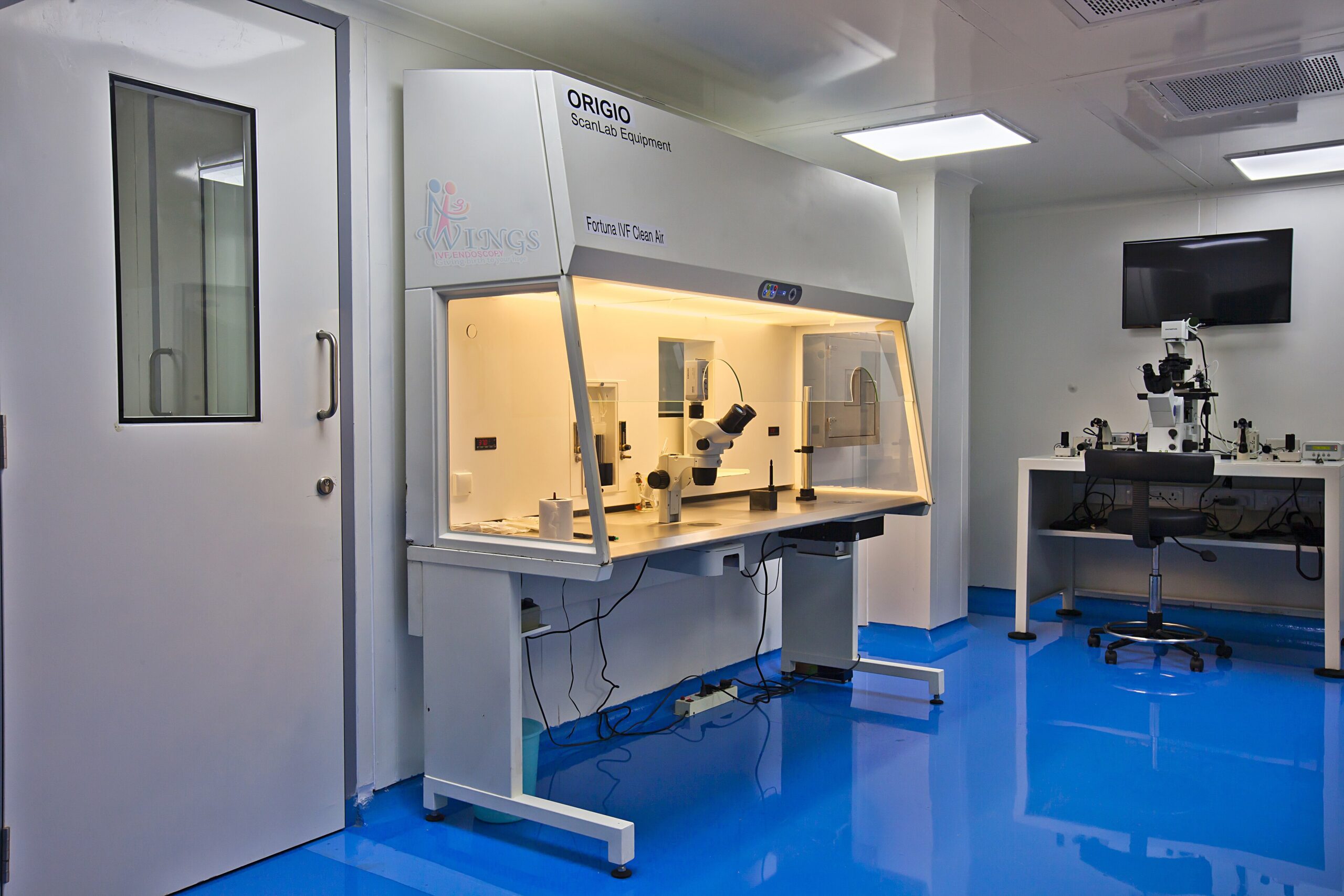
Hoenderkamp made the announcement on air over the weekend, saying she would soon be a mother of three and was 12 weeks pregnant, according to The Daily Beast’s report, published on Yahoo on Nov. 15. The pregnancy came after three rounds of IVF using frozen eggs at a clinic in Poland.
Three Tries, Kept Quiet on Camera
Hoenderkamp, a general practitioner who has contributed to and presented on GB News since 2021, said it took three attempts for the treatment to work. She told viewers she had sat on the show while knowing that earlier rounds had failed, without saying anything about it on air.
She and her partner, Colin, are now preparing for a third child, nearly four decades after her first. Calum was born when she was 21, and Alice when she was 51, a gap that makes this a family with children spread across almost 40 years.
How Egg Freezing and IVF Work
Britain’s fertility regulator, the Human Fertilisation and Embryology Authority, describes egg freezing as a process in which a woman takes fertility drugs for about two to three weeks, has her eggs collected, and has them frozen, most often by a fast-freezing method called vitrification. When the eggs are used, each one is fertilised by injecting a single sperm, because freezing toughens the egg’s outer coating.
The HFEA warns that frozen eggs do not always lead to a baby, and it says success-rate data for frozen eggs are limited because the numbers are small. Since July 2022, eggs can be stored in the U.K. for up to 55 years, with consent renewed every 10 years.
IVF itself combines eggs and sperm in a lab and transfers the resulting embryo to the womb, usually two to five days later, the HFEA explains in its guide to IVF. One cycle typically takes three to six weeks, and success depends mainly on the woman’s age and the cause of infertility.
Most women her age would not get IVF through Britain’s public health system. The National Health Service says NHS-funded IVF is generally available only up to age 42 for those who qualify, and people who are not eligible can pay for private treatment, with clinics setting their own age limits.
What Doctors Watch for in a Later Pregnancy
Pregnancy later in life carries extra risks that doctors monitor closely. The Mayo Clinic says gestational diabetes and high blood pressure during pregnancy become more common with age, that the chance of a C-section rises after 35, and that the risk of chromosomal conditions such as Down syndrome is higher. It recommends keeping every prenatal visit and talking with a provider about screening and testing.
The Daily Beast’s report did not give a due date.
Part of a Bigger Conversation About Older Moms
Her news adds to a run of stories about women who became mothers later than most, often after long stretches of treatment. Parent Diaries recently followed Emillio Mesa, who learned at 17 how to give his mother her IVF hormone shots.
For Hoenderkamp, the journey now spans almost four decades. The son she had at 21 is grown, the daughter she had at 51 is still young, and at 59, she is 12 weeks into a pregnancy she spent three rounds of IVF trying to reach.
Get stories like this by email. Sign up for The Parent Diaries Letter.
This article was produced with AI assistance and edited for accuracy against the sources linked above.