She Worried Her Toddler Loved Grandma More Than Her, Then Realized Moving In Could Change Everything

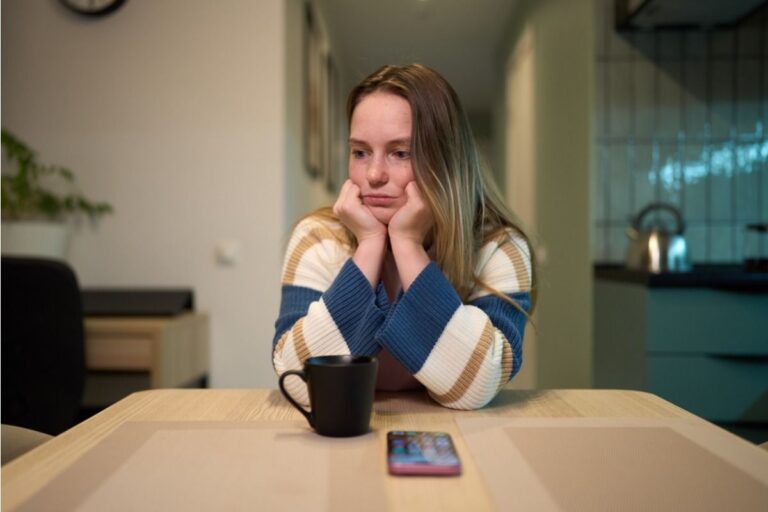
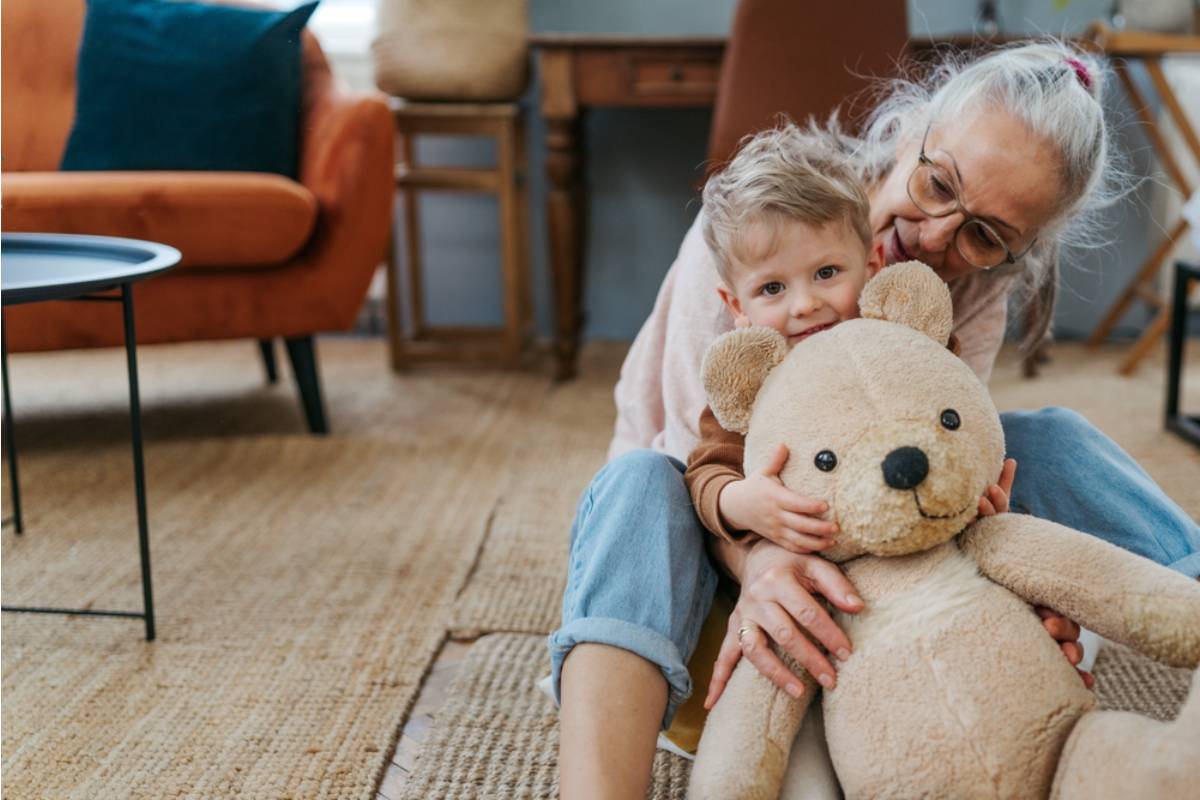
A mother of a 23-month-old found herself struggling with an emotion she knew sounded irrational: jealousy toward her toddler’s grandmother. Her son had always been close with his grandmother, partly because the family visited his grandparents every other week for several days at a time. During those visits, Grandma often spent hours playing with him, reading to him, comforting him, and becoming the center of his little world.
The mother loved seeing that relationship grow, but she couldn’t completely silence the feeling that her own place was being challenged. Whenever her toddler was frightened, he sometimes ran to Grandma instead of Mom. When it was time for a story or bedtime, he might ask for Grandma, and those moments left his mother wondering whether she was somehow becoming less important.
Grandma Had Become His Favorite Visitor
There was an obvious reason the toddler was so drawn to his grandmother. She was associated with fun, attention, and special visits rather than the ordinary routines of daily parenting. Grandma wasn’t necessarily the person reminding him to eat, change clothes, clean up, or follow a schedule.
That distinction became important because children often experience different relationships in very different ways. A grandparent can represent excitement and comfort without carrying the same responsibilities as a parent. For the mother, however, watching her child choose Grandma during those special moments felt much more personal than that.
The Family Was Considering a Major Change
The situation became more complicated when the parents began discussing the possibility of moving in with the grandparents. They were considering the arrangement to save money for a future home and because the mother was pregnant with their second child. Having another trusted adult around could make life with two young children considerably easier.
But instead of feeling relieved, the mother became even more anxious about the idea. She wondered whether living under the same roof would make Grandma even more important to her toddler. What if the child started choosing Grandma for everything, leaving Mom feeling like she had lost some of the special routines she had worked so hard to build?
Bedtime Was Especially Important to Her
The mother was particularly protective of bedtime because she viewed it as one of their special opportunities to connect. She didn’t want to give up reading together, settling her son down, or being the person he looked for at the end of the day.
The thought of Grandma taking over those moments made the potential move feel much more threatening. Saving money and getting extra help sounded practical, but the mother worried that the emotional cost might be much higher than she expected.
Then Other Parents Challenged Her Perspective
One response pointed out that the toddler’s behavior could have far less to do with replacing Mom than she feared. Grandma was someone the child saw less frequently, which could make those visits feel particularly exciting. A person shared that children sometimes cling intensely to relatives precisely because they want to make the most of limited time together.
The response also offered a useful thought experiment. If Grandma lived in the same house and became part of the child’s everyday routine, she might stop being the exciting visitor and simply become another familiar adult. The novelty could wear off naturally once the relationship became part of ordinary daily life.
The Mother Was Still Afraid of Being Replaced
The mother explained that her concern wasn’t really about occasional visits. She was worried that moving in would transform Grandma from a special visitor into someone her toddler wanted constantly. In her mind, that raised a frightening question: could her son eventually stop seeking Mom for the things that mattered most?
She wanted to remain his primary source of comfort and security. Beneath the jealousy was something much more understandable: she loved her child deeply and wanted to feel irreplaceable in his life.
One Response Reminded Her That She Already Was
Several people pushed back on the idea that a grandmother could somehow replace a mother. One person shared a personal example involving a child who had been extremely attached to a grandmother during the early years. Even when that grandmother lived in the same household, the child’s relationship with her mother remained strong.
The attachment changed naturally as the child grew older. Once school and independence became bigger parts of the child’s life, the intense toddler preference faded. The relationship with Grandma remained, but it never erased the bond with Mom.
Toddlers Can Have More Than One Safe Person
Another important point was that a toddler doesn’t have a limited amount of love that must be divided between adults. A child can feel completely safe with Mom while also feeling completely safe with Grandma. Wanting one trusted adult at one moment doesn’t mean the child has rejected another.
In fact, having several dependable adults can be a tremendous advantage for a young child. If Grandma can comfort him, play with him, and make him feel secure, that is another layer of support rather than competition. The mother wasn’t necessarily losing something by allowing that bond to flourish.
Grandma Might Be Getting the “Fun Parent” Role
There was also a practical explanation for why Grandma seemed so appealing. Grandparents often get to enjoy the fun parts of childhood without carrying the full responsibility of parenting. They can read another story, offer extra cuddles, play a favorite game, or indulge a child’s interests without having to manage every routine.
That can make them extremely attractive to a toddler. But it doesn’t mean the child doesn’t value the parent who handles everything else. In fact, the person setting boundaries and providing consistent care can be the very person a child depends on most, even if someone else gets more enthusiastic greetings.
Moving In Was a Different Question Entirely
While many responses suggested the jealousy itself wasn’t a reason to avoid the arrangement, they were much more cautious about the idea of actually moving in with the grandparents. Living together is fundamentally different from visiting every couple of weeks. Everyone’s routines, expectations, privacy, and boundaries would suddenly overlap.
One person urged the mother to consider how the grandparents handled disagreements, interruptions, and changes in routine. The arrangement might work beautifully, but only if the adults could respect one another’s roles. The toddler’s attachment to Grandma was probably not the biggest issue to solve.
The Mother Needed to Think About Her Marriage Too
Another concern was the mother’s relationship with her husband. Moving back into his parents’ home could potentially change family dynamics in ways that had nothing to do with the toddler. The mother would need to know whether her husband would support her parenting decisions when his own parents disagreed.
Questions about privacy and household authority could become much more significant once everyone shared a roof. Who decides bedtime? Who disciplines the children? Who gets to make decisions about meals, routines, visitors, and parenting boundaries? Those questions deserved answers before anyone packed a suitcase.
Her Toddler Wasn’t Choosing Grandma Instead of Mom
One of the most reassuring observations was that the toddler might not actually be making a competition between the two women at all. A 23-month-old isn’t necessarily thinking, “I prefer Grandma, therefore I don’t need Mom.” He may simply be responding to whoever feels most interesting, available, or comforting in that particular moment.
That distinction matters because the mother’s interpretation was turning ordinary toddler behavior into evidence that she was being replaced. Once the behavior was viewed as attachment rather than rejection, the situation looked very different. Her son’s love for Grandma didn’t subtract from his love for Mom.
The Real Challenge Was Letting Go of the Comparison
Eventually, the mother acknowledged that some of the pain might come from her own insecurity. She wanted to be the person her son always ran to, and seeing him choose someone else, even temporarily, hurt. But another response encouraged her not to frame the solution as simply getting rid of insecurity.
Instead, the mother could recognize the role she already played in her son’s life. She could remain his parent, maintain meaningful routines, and still allow him to form a powerful relationship with another trusted adult. Those things didn’t have to compete.
A Bigger Family Could Mean a Bigger Support System
There was also something beautiful hidden inside the situation. The mother was pregnant with another baby, and raising two young children could be exhausting. Having a grandmother who genuinely loved her grandson and wanted to be involved could eventually become an enormous source of support.
Rather than viewing Grandma’s relationship with the toddler as something threatening, the family could potentially treat it as another relationship worth protecting. The child could have Grandma for stories, Mom for bedtime, Dad for play, and eventually another sibling to grow up alongside. A larger circle of love didn’t necessarily mean a smaller place for Mom.
The Final Question Wasn’t About Who He Loved More
The mother entered the discussion worried about whether her toddler would choose Grandma over her. But the bigger question was whether the adults could create a healthy household where everyone’s roles remained clear.
Her son wasn’t being asked to choose between two mothers. He was a little boy who had found another person he trusted, and that was something many parents would be grateful for. The real decision about moving in would need to be based on boundaries, finances, privacy, marriage, and household expectations rather than a toddler’s temporary preference.
Mom Was Never Actually Being Replaced
The strongest reassurance came down to something simple: a grandmother can be incredibly special without becoming Mom. Toddlers can change their preferred person from moment to moment, especially when someone exciting walks through the door. That doesn’t erase the years of comfort, care, routines, and attachment built with their parents.
For this mother, the hardest part may be accepting that being her son’s safe place doesn’t require him to choose her every single time. Sometimes the healthiest thing a parent can do is let a child love another person completely. And if Grandma becomes one of the people her son trusts most, that may turn out to be less of a threat than a gift.