A DNA Test Led Tim Rolnick, 41, to the Chilean Mom He Was Taken From as a Baby. This Month He and His Brother Finally Hugged Her.

Tim Rolnick grew up in the United States knowing he was adopted, but not knowing how he had been taken from his mother. A DNA test he took in 2020 pointed him to Chile. On Wednesday, Nov. 11, he and his younger brother Travis Murdoch finally wrapped their arms around Teresita de Jesús Padilla, the woman who gave birth to them, the Associated Press reported.
Padilla, 66, met her sons at the Santiago offices of Nos Buscamos, a group that reunites families split apart by illegal adoptions. After the reunion, she said God had given back the children she thought she had lost forever.
Taken from a Chilean hospital as infants
Rolnick, now 41 and living in Maryland, and Murdoch, 37, were taken from Padilla as babies while she was still in the hospital and allegedly trafficked to the United States, according to the AP. Rolnick was taken first. Four years later, Murdoch and his twin brother, Chris, were taken and adopted by an American couple.
Padilla’s father died when she was 4, and her family struggled with poverty after that. She told the AP she saw the hospital as a refuge and a chance at a better life for her babies. Instead, she said, her children were taken from her “not just once, but twice.”
Tim was the first, Padilla told Reuters, in a report carried by bdnews24. He was “just a tiny baby,” she said, and he was taken because she was completely on her own. Years later she gave birth to twins, and they were taken too.
The DNA test that started the search
Rolnick took a MyHeritage DNA test in 2020 while trying to learn more about his medical history. The results showed he had relatives in Chile. Distant cousins and groups that investigate illegal adoptions then reached out to him, and he got in touch with his brothers.
Murdoch admitted he was nervous about meeting Rolnick at first, but the two bonded quickly, the AP reported. Nos Buscamos helped the brothers understand what had happened to them. Murdoch said the group explained “how this is all real and it’s not fake,” and he said plainly that he and his brothers had been trafficked as babies.
Six years after that first contact, the brothers were standing in Santiago with their mother. Chris could not make the trip. He was badly hurt in a car accident in 2013. Rolnick also learned he has another sibling who stayed in Chile.
A brother who searched but never got to meet them
Padilla’s eldest son, Alberto, stayed with her in Chile and led the search for his missing brothers, according to Reuters. He died before he could meet them.
For Rolnick, the day itself was hard to put into words. “It was just very surreal … it was just shock, in a good way,” he said. He told reporters it felt as if he had known Padilla his whole life. Murdoch said the reunion was emotional for her, and that the family now wants to focus on the years ahead, La Nación’s English edition of the AP story noted.
Thousands of Chilean families are still searching
The brothers’ story is one of many. Chilean judicial reports obtained by the AP show about 20,000 cases of forced or criminal adoptions during Augusto Pinochet’s 17-year regime. Nos Buscamos estimates more than 50,000 Chilean families were affected, and its director, Constanza del Río, said the real number of children sent abroad has never been settled.
In the 1970s, Chile was the third-largest source of children sent abroad for illegal adoptions, after China and South Korea, the AP reported. Del Río said a network of social workers, doctors, judges and lawyers targeted the most vulnerable women, many of them from the country’s poorest regions. The military government argued that sending children overseas for adoption would cut child poverty, Reuters reported.
Other mothers have lived through the same kind of reunion. In 2024, Sara Melgarejo, then 65, met her two adult children, Sean Ours and Emily Reid, at Santiago’s airport after spending 40 years believing they were dead, according to a Guardian report shared by Better Care Network. Parents in many of these cases were told their babies had been lost or had died, when the children had actually been taken and sent abroad.
DNA tests have upended other families’ stories too, from Lillian Higgins, whose daughter came back to her door in Utah to Kathy Gillcrist, who learned her birth father was a fugitive.
For Padilla, the long wait ended in an office in Santiago, with two of her sons in her arms and a third still hoping to make the trip someday.
Get stories like this by email. Sign up for The Parent Diaries Letter.
This article was produced with AI assistance and edited for accuracy against the sources linked above.
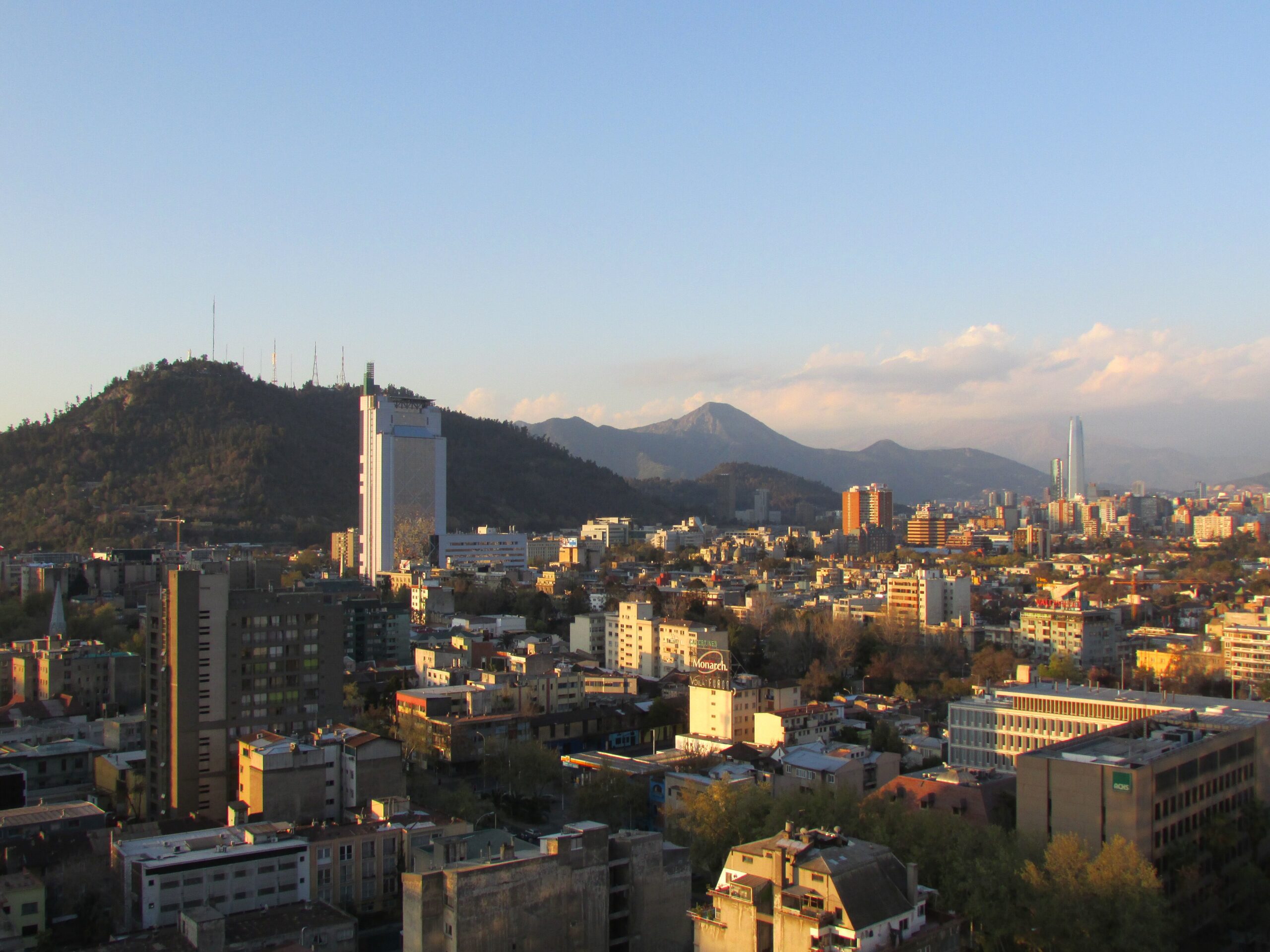
Image: 3BRBS – CC BY-SA 3.0/Wikimedia Commons