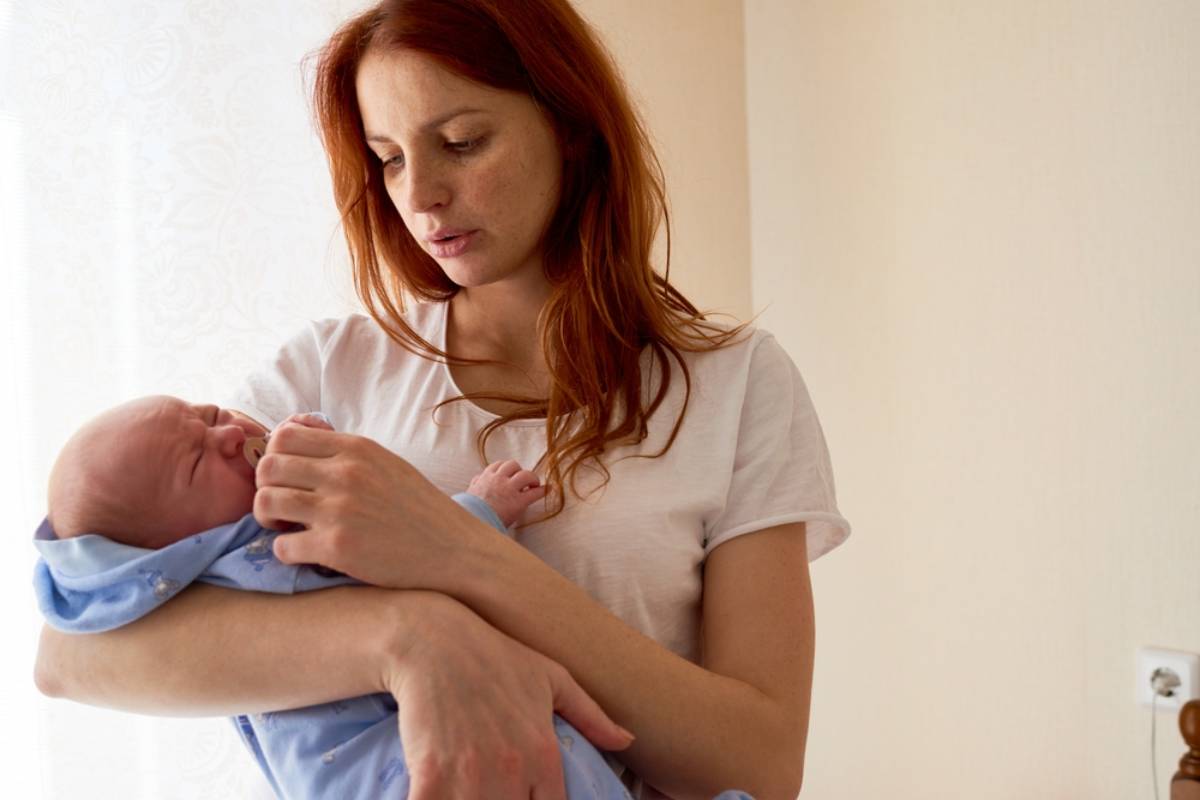
A New Mom Says Her Sick Dad Told Her to Leave With Her Newborn After She Questioned Why He Was Near the Baby’s Bottles

A person shared her story about life with a newborn while recovering from childbirth and staying with family. She was already dealing with the exhaustion, stress, and constant precautions that come with caring for a very young baby. For her, keeping the baby’s feeding supplies clean felt especially important because her father was currently sick.
She had been relying on her family home while figuring out what came next, so avoiding conflict probably seemed like the easiest path. Still, she wanted to feel that her baby’s feeding area was being handled carefully. What happened in the kitchen turned a simple moment into a much bigger family crisis.
Then She Walked Into the Kitchen
Earlier that day, the new mom went into the kitchen to get her breast pump. Instead of finding an ordinary scene, she noticed her father standing right beside the area where the baby’s bottles and feeding supplies were kept. Because he was sick, the sight immediately made her nervous.
She questioned why he was standing there and asked something along the lines of whether he was really going to stay by the baby’s things while sick. She later emphasized that she had not been yelling or using profanity when she said it. In her mind, she was simply reacting like a worried new mother who wanted to protect her baby.
Her Dad Did Not Take the Question Well
Rather than calmly explaining what he was doing, her father immediately became angry. He began shouting that she was picking on him, turning what had started as a short question into a heated argument. The situation escalated far faster than she expected.
The new mom said he began throwing things around the house while expressing his anger. Then came the part that left her stunned: he told her to leave his house with her newborn. What began with a question about bottles had suddenly become a threat to the housing situation she was already depending on.
Suddenly, She Was the One Being Called Disrespectful
The argument left the new mother feeling as though the entire situation had somehow been flipped around. She believed she had raised a reasonable concern about her baby’s feeding supplies, yet her father’s response made her feel as though she had committed some major offense. By the end of the confrontation, she felt shocked, overwhelmed, and unsure of where she could safely go.
She described the experience as deeply confusing because she had expected a conversation rather than an explosive reaction. Her biggest concern was no longer just the baby’s bottles, but the possibility that she and her newborn could actually be forced out. With emotions already running high after childbirth, the sudden uncertainty made everything feel even heavier.
Her Baby Made Every Small Detail Feel Bigger
Having a newborn can make ordinary household situations feel much more serious, especially when illness is involved. The mother was focused on keeping the baby safe and was understandably watching who came near feeding supplies. From her perspective, the bottle area represented one more thing she needed to keep clean and under control.
At the same time, several responses pointed out that living with a sick family member creates a difficult reality. One person explained that germs are not limited to one small area of the kitchen and that sharing a house already creates plenty of opportunities for exposure. The bigger issue, that person suggested, was finding a practical way to manage the situation without turning every concern into a confrontation.
One Person Said She Should Take Her Dad Seriously
A response from a person took a very different approach and focused on what the father had actually told her. The person explained that when a family member tells you to leave, it may be safest to take those words seriously rather than assuming they were only said in anger. She shared her own experience of leaving a family home after being told something similar shortly after having a baby.
In that situation, the person eventually stayed elsewhere and later dealt with relatives attempting to create confusion about where she had gone. She explained that she made sure the situation was documented and clearly communicated so nobody could turn the move into a false emergency. Her main message was that protecting a parent’s recovery and a baby’s environment may sometimes require leaving the chaos behind.
Another Person Thought the New Mom Had Crossed a Line Too
Not everyone believed the mother had handled the kitchen moment appropriately. A response from a person said the father’s anger was excessive, but argued that the mother was also disrespectful in the way she approached him. The person pointed out that it was his home and that he was allowed to be in his own kitchen, even if he happened to be sick.
That response also acknowledged how intense the postpartum period can be and said the mother might have been reacting from exhaustion and heightened worry. Still, the person believed there was a better way to raise the concern, such as politely asking him to move away from the baby’s feeding supplies. In that view, both sides had contributed to a confrontation that quickly spiraled out of control.
Another Response Said Neither Side Looked Good
A second person agreed that the mother could have spoken more gently. The response suggested that a simple request would have gotten the point across without sounding accusatory or hostile. At the same time, the person made it clear that screaming and throwing things were not reasonable ways for her father to respond.
That created an uncomfortable middle ground where neither side looked entirely blameless. The mother wanted her newborn protected, while the father apparently felt insulted inside his own home. The problem was that once both felt disrespected, the original issue became almost impossible to discuss calmly.
Some People Thought She Should Keep Her Head Down
Another person offered a more practical solution based on the mother’s current circumstances. Since she was waiting for housing assistance and did not have an immediate alternative, the advice was to keep interactions with her father as calm and limited as possible for the time being. Instead of confronting him over every concern, she could clean or sterilize the feeding area once he moved away.
That advice was less about deciding who was right and more about surviving an unstable situation until a better option appeared. The person argued that the mother was unlikely to change her father’s temperament through one more conversation. For now, avoiding unnecessary conflict might protect the baby’s routine and give the mother enough breathing room to recover.
The Housing Problem Was Now Part of the Crisis
What made the entire argument more serious was that the new mother was not simply dealing with an awkward family disagreement. She was postpartum, caring for an infant, and depending on relatives for a place to stay. Being told to leave meant the argument could have immediate consequences for both her and the baby.
She had already reached out through her insurance to a care coordination program in hopes of finding housing support. Unfortunately, she was waiting for a callback and expected she would not hear anything until Monday. That left her caught between an unstable home and an uncertain backup plan.
Waiting for Help Made Everything More Stressful
The waiting period added another layer of pressure because there was no instant solution available. Every hour she remained in the house meant she had to wonder whether another confrontation could happen. Instead of focusing entirely on healing and caring for her newborn, she was now also thinking about where they would sleep.
The situation also made the mother’s emotional state more fragile. She described feeling overwhelmed and unsure where to turn after the blowup. The family conflict had taken a moment involving a bottle area and turned it into a question of stability, safety, and whether she could remain under the same roof.
One Piece of Advice Focused on Protecting Her Recovery
The strongest practical advice centered on the idea that the mother’s recovery mattered too. One person stressed the importance of rest, hydration, cleanliness, and creating as peaceful an environment as possible during the early weeks with a baby. Instead of spending every ounce of energy trying to win an argument, the mother could use that energy to care for herself and her child.
That response also suggested that her father’s feelings did not need to become the deciding factor in every choice. If his behavior remained explosive, creating distance might be healthier than repeatedly trying to make him understand her point of view. The goal was not to prove who won the argument, but to get the mother and baby through a difficult period with as little additional turmoil as possible.
Others Reminded Her That She Was Still a Guest
Several people focused on a detail that was easy to overlook in the heat of the argument. The mother was staying in her family’s house rather than living in a home she controlled herself, which meant she did not have the same authority over the space that she might normally have. From that perspective, telling the homeowner where he could stand was always likely to create friction.
One person bluntly said that guests cannot dictate what the owner does inside his own home. That did not excuse the father’s explosive behavior, but it did highlight the awkward position the mother was in. She needed to protect her baby while also recognizing that her housing arrangement came with limitations.
Then Someone Pointed Out the Bigger Problem
Another response focused less on the exact wording and more on the father’s personality. The person described him as highly reactive and suggested that stress from being sick and having a newborn in the home could have contributed to his behavior. Still, the response emphasized that his reaction was far more intense than the original issue seemed to require.
The person also suggested that the mother might need to become strategic rather than confrontational until she could find another place. That meant staying in her room when possible, keeping conversations brief, and avoiding situations that could easily turn into another argument. It was not presented as a perfect solution, just a temporary strategy for getting through a tense household.
The New Mom Was Left With an Uncomfortable Choice
By the end of the story, the mother seemed to be facing two difficult options. She could remain where she was and carefully avoid more conflict while waiting for outside help, or she could try to leave sooner and figure out the housing problem herself. Neither option offered the calm, secure recovery period she had probably hoped for after giving birth.
The strangest part was how quickly everything had changed. She had entered the kitchen for her breast pump and ended up being told to leave the house with her newborn. The bottle area was only the spark, but the real story had become a tense family relationship, a fragile living arrangement, and a new mother realizing that she might need a different plan sooner than expected.