
Lily Langat, 43, Spent More Than 22 Years Trying to Have a Baby. On Nov. 14, She Gave Birth to Four Boys at a Kenyan Mission Hospital.

For more than two decades, Lily Langat waited for a baby. On Saturday, Nov. 14, four arrived at once.
The 43-year-old delivered four boys by Caesarean section at St Clare’s Kaplong Mission Hospital in Sotik Sub-County, in western Kenya’s Bomet County, The Standard reported. She had spent more than 22 years trying to conceive. A nurse at the hospital told the Kenyan newspaper that the mother and all four newborns were stable.
Four Boys in One Delivery at St Clare’s Kaplong
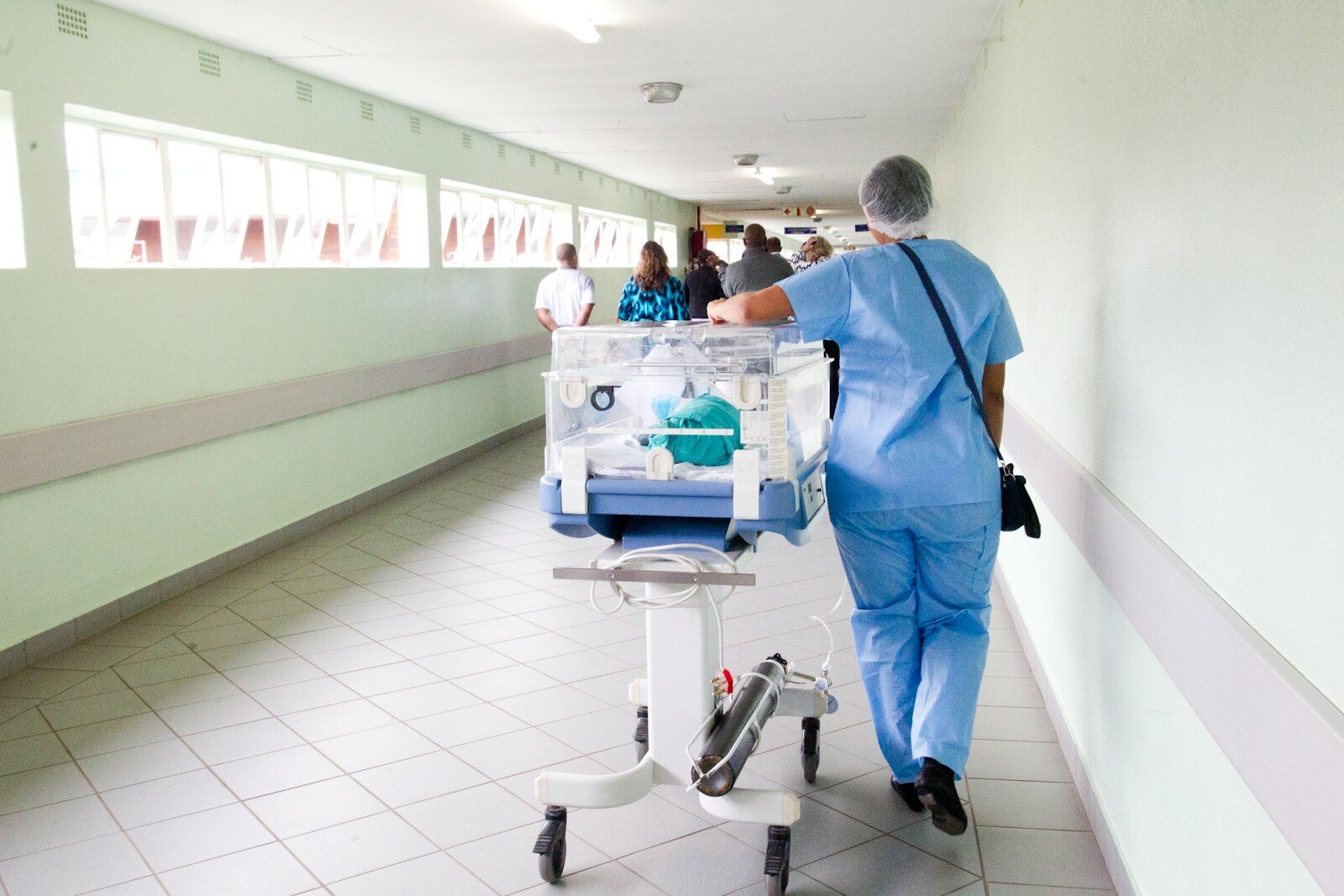
The babies were placed in the hospital nursery for observation after the birth. According to the nurse, none of the four had developed complications so far, and the plan was to discharge them once they were fully stable.
Hospital staff described the delivery as unusual for the mission hospital. “This is a rare case in this hospital,” the nurse told The Standard, adding that the hospital has “had twins before, but this is different.”
The pregnancy was not easy on the mother’s body. The nurse said Lily Langat had difficulties because of the combined weight of the four babies she was carrying.
The Kenyan news site Tuko also reported the birth, describing how the Bomet couple welcomed quadruplet boys after 22 years of waiting.
A Wait That Lasted More Than 22 Years
Lily Langat told The Standard that she had been childless for a long time and had been praying to be given “double for the trouble.” She described the four boys as a gift from God and said she was grateful to have been given four babies at once.
Her husband, Samuel Langat, called the boys miracles who had arrived safely, and he was candid about what comes next. Raising four babies at once “is no easy task,” he told the newspaper.
The Standard did not report whether the couple used any fertility treatment. It noted only that the likelihood of quadruplets depends on factors that include the mother’s age and fertility treatment.
Long waits like the Langats’ are far from rare. The World Health Organization estimates that about 1 in 6 people of reproductive age worldwide will experience infertility at some point in their lives. The WHO defines infertility as failing to achieve a pregnancy after 12 months or more of regular unprotected sex.
The burden often falls hardest on women. According to the WHO, women in relationships with men are frequently assumed to be the infertile partner whether or not that is true, and women living with infertility can face stigma, divorce, emotional stress, depression and anxiety. The agency also notes that IVF and other assisted reproduction remain scarce, hard to reach or unaffordable for many people in low- and middle-income countries, and that fertility care is rarely covered in national health packages.
How Rare Four Babies at Once Really Is
Quadruplets are among the rarest births anywhere. In the United States, which keeps detailed national birth records, there were 144 quadruplet and other higher-order births in 2024, compared with 2,444 triplet births and 109,195 twin births, according to the CDC’s National Center for Health Statistics. Triplets and larger sets together came to 71.3 per 100,000 live births that year.
The U.S. National Library of Medicine’s MedlinePlus guide to multiple births lists the factors that raise the chance of carrying more than one baby: having babies after age 30, using fertility drugs and a family history of twins.
Another mother recently learned how unpredictable these pregnancies can be when scans showed triplets and her doctor found a fourth baby during her C-section.
Why Multiples Need Extra Watching
Babies who share a womb face extra risks. MedlinePlus says babies from multiple pregnancies have a much higher risk of being born early and at a low birth weight, along with a greater risk of disabilities. Women carrying multiples usually need more frequent checkups, some are put on bed rest to delay labor, and delivery by C-section is more likely, especially with three or more babies.
Early birth is the central worry. The WHO lists multiple pregnancy among the causes of preterm birth, meaning a baby born alive before 37 weeks. An estimated 13.4 million babies were born preterm in 2020, more than 1 in 10 births worldwide.
Where a baby is born makes an enormous difference. According to the WHO, about half of babies born at or before 32 weeks die in low-income settings, largely because basic, cost-effective care is missing, while almost all of them survive in high-income countries.
The Standard did not report how many weeks along Lily Langat was at delivery or what each of the boys weighed. Hospital staff said only that all four were stable and under observation, with no complications so far.
Samuel Langat’s Appeal as the Family Grows to Six
With one delivery, the couple became a family of six. Samuel Langat told The Standard that caring for four newborns at once has brought challenges, and he asked well-wishers to lend a helping hand as the family begins what he called an extraordinary journey.
For parents who spent more than 22 years hoping for one baby, the Langats now have four boys to bring home from St Clare’s Kaplong once doctors say they are ready.
The Langats are not the only parents whose wait ended in a surprise. In another recent story, a mom who had gone through four years of infertility and two IVF cycles got a positive test at 41 with no treatment at all.
For Lily Langat, the long wait ended with a delivery the hospital’s own staff called rare: four sons, born together, all stable in the nursery.
Get stories like this by email. Sign up for The Parent Diaries Letter.
This article was produced with AI assistance and edited for accuracy against the sources linked above.
Image: Elizabeth – CC0/Wikimedia Commons


