Dave and Sara LeBlanc Put Up 6-Foot Tin Roosters for Their Daughter Pyper, Who Has Autism. Ogunquit Fined Them $1,700, and Now They’re Suing the Town.

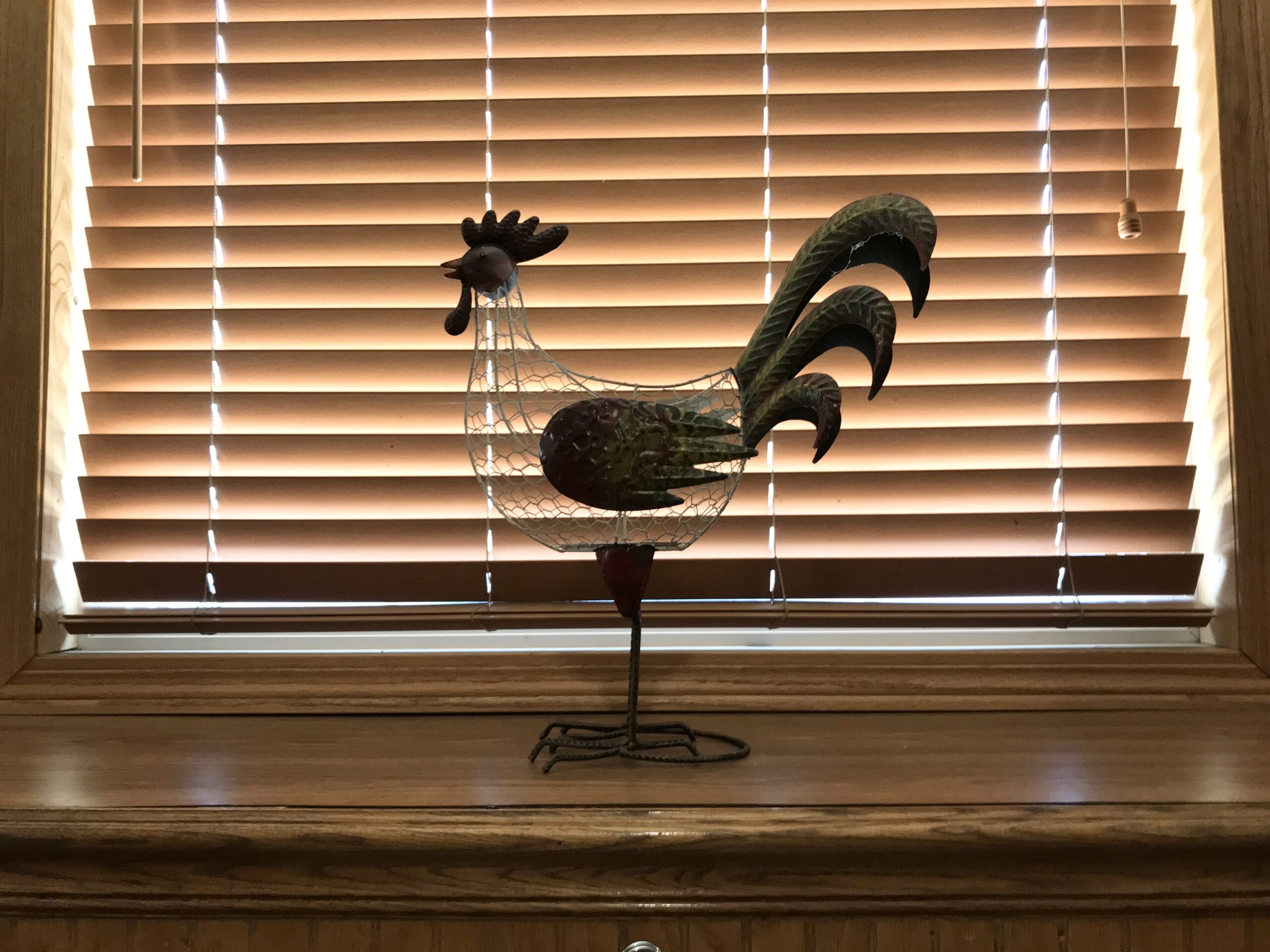
For more than a year, a row of tin roosters about 6 feet tall stood on the front lawn of Dave and Sara LeBlanc’s Main Street home in Ogunquit, Maine. The couple says the birds were there for one person: their 6-year-old daughter, Pyper, who has autism and loves roosters.
Ogunquit officials treated the roosters as advertising signs for the family’s breakfast restaurant, issued four fines totaling $1,700, and kept ordering them down. On Nov. 17, the LeBlancs answered with a federal lawsuit that says the town violated their free speech rights, according to WMTW.
Why Pyper Loves Roosters
The LeBlancs took Pyper in as a foster child and later adopted her. She arrived with a stuffed rooster, and roosters became her favorite animal, the Associated Press reported in July. When she spotted a rooster statue in a store, her father suggested that it wanted to come home with them.
Each morning, Pyper hid behind a rooster while she waited for the school bus. Her parents say that small ritual helps her regulate her emotions and handle transitions, which can be hard for children on the autism spectrum.
The first 6-foot tin rooster went up outside the house in May 2025. Over time the family collected about two dozen of them, but says it never displayed more than eight at a time, except at Christmas, when the roosters were lined up to look like they were pulling Santa’s sleigh.
Dave LeBlanc says the roosters stand for one thing, the family’s love for Pyper, CBS13 reported.
A Restaurant Next Door and a Rooster on the Logo
The LeBlancs own The Omelette Factory, a breakfast restaurant attached to their home. A rooster appears on the restaurant’s merchandise logo. The family calls the rooster its “family crest.”
Code Enforcement Officer Tyler McOsker told the couple the town considered the statues advertisements for the restaurant. In April 2026, he ordered the removal of all “unpermitted signage, including but not limited to rooster statues.” McOsker told the town’s Zoning Board of Appeals that he did not know about Pyper’s diagnosis until the family appealed. He pointed to a May 2025 local newspaper article that called the roosters a fun way to announce the restaurant was open. “That, to me, is the definition of a sign,” he told the board.
Dave LeBlanc said the reporter misread a customer’s joke, and that the family never claimed the roosters were an “Open” sign. He told the AP that “roosters don’t lay eggs.”
Ogunquit’s sign rules sit in the zoning chapter of the town code. A letter the family’s lawyers sent the town on Oct. 1 quotes Section 225-8.12, which says business or residential signs may not be “erected, altered, or relocated without issuance of a permit from the Code Enforcement Officer.”
Four Fines Adding Up to $1,700
WMTW listed the four fines:
- $150 on April 6 for illegal signage
- $300 ten days later for failing to remove the roosters
- $500 on June 24 for failing to build a railing for two roosters
- $750 on Sept. 17 for failing to remove the roosters or attach them to a railing
The railing came from a compromise. In June, the Zoning Board of Appeals upheld the town’s view that the roosters were signs, but said it could not cancel the fines. The board granted a disability variance that allowed two roosters to stay as necessary for Pyper’s access to the home, on the condition that they be built into a railing. The family says it has no such railing and chained two roosters to pillars, and more fines followed.
The LeBlancs paid the $1,700 under protest. They gave the rest of the roosters away to friends and neighbors, who put them on display as a show of support for Pyper. Families across Maine set up their own. One rooster is still in the LeBlancs’ yard, covered up. At the Nov. 17 press conference, Sara LeBlanc draped a blanket over it, and attorney Daniel Woislaw said the covered bird would stand for the family’s will, its constitutional rights and what he called the town’s campaign against it, NHPR reported.
“The town government is trying to take away Pyper’s roosters, her friends and her security,” Sara LeBlanc said. Fights over front yards have reached other parents, including a Georgia couple fined $25 a day over the vegetable garden that feeds their kids.
What the Federal Lawsuit Asks For
The Institute for Justice, a national public interest law firm, represents the family. Woislaw first asked the town in October to rescind the fines and stop enforcing its sign code against the roosters. The town did not drop the fines, and the family filed suit in federal court.
The complaint makes two claims, CBS13 reported: that the town’s enforcement violates the First Amendment, and that the sign code is unconstitutionally vague under the First and 14th Amendments. The family says most of the roosters carry no words, logos or references to the restaurant, and that the code gives officials too much room to decide whether an object is art or advertising based on what they think it means. The lawyers’ October letter leans on Reed v. Town of Gilbert, a 2015 U.S. Supreme Court ruling that struck down a town sign code that treated signs differently based on what they said.
“A tin rooster in a front yard is art, and art is protected by the First Amendment,” Woislaw said.
The lawsuit argues the family was singled out. A public records request turned up no earlier enforcement against similar decorations, according to WMTW, and the complaint lists lobster buoys, tiki statues and antique farm equipment around town that have not been regulated. “Punishing one family for a display everyone else is allowed to enjoy is textbook speaker-based discrimination,” Institute for Justice attorney Griffin Brunk said.
The family is asking the court to declare the enforcement unconstitutional, to permanently block the town from fining, citing or prosecuting them over the roosters, and to award damages, including repayment of the $1,700. In the complaint’s words, “Plaintiffs want to display their tin roosters in front of their home without the threat of fines.”
The town was served on Nov. 17 and has roughly three weeks to respond, the Portland Press Herald reported. Ogunquit officials did not comment on the lawsuit, and a town official told CBS13 the town does not comment on legal matters.
Dave LeBlanc told WMTW the family had a choice between going along with the town and standing up for what it believes. Sara LeBlanc told CBS13 that the town of Ogunquit has embraced Pyper, and that she wishes the town government would do the same. Other parents of children with autism have turned their own family’s needs into community efforts, like a Las Vegas mom who started a nonprofit that teaches classrooms about autism.
Get stories like this by email. Sign up for The Parent Diaries Letter.
This article was produced with AI assistance and edited for accuracy against the sources linked above.
Image: CalebG07 – CC BY-SA 2.0/Wikimedia Commons