Paramedic Jessica Barto Gave Mouth-to-Mouth to 1-Pound Isabella After She Was Born at 23 Weeks in July, and Now the Elkins Park Family Has Reunited With Her

One pound. That is what Isabella weighed when she was born in July, 23 weeks into her mother’s pregnancy, after a 911 call brought Cheltenham Township’s EMS chief to help in Montgomery County, Pennsylvania.
Jessica Barto, the township’s EMS Director and Chief of Operations, delivered the baby and then fought to keep her alive. She told CBS News Philadelphia that she gave the newborn mouth-to-mouth, that her crew did compressions, CPR and ventilations, and that they got her to the hospital as fast as they could, Glenside Local reported. Months later, the paramedic and Isabella’s Elkins Park family have met again, and CBS was there for the reunion.
A Call Few Paramedics Ever Get
Emergency crews deliver babies more often than most people think, but rarely one this small. A baby born at 23 weeks arrives more than three months before a full-term due date, at the very edge of what doctors call the periviable window.
The American College of Obstetricians and Gynecologists and the Society for Maternal-Fetal Medicine define periviable birth as delivery between 20 and 25 weeks and six days of pregnancy. In their joint consensus statement, the groups cited data from the United States, England and Australia showing 23% to 27% of babies born at 23 weeks survived to hospital discharge. Every extra day in the womb at that stage matters; the statement notes that outcomes at the end of the 23rd week can look more like those at 24 weeks than at the start of the 23rd.
A baby that size struggles to breathe and to stay warm. The National Library of Medicine’s MedlinePlus guide to premature infants lists immature lungs, irregular breathing pauses and trouble holding body temperature among the most common problems for very early babies.
Why Breathing Comes First
Barto’s account is short and specific: mouth-to-mouth, chest compressions, CPR and ventilations, then a fast trip to the hospital. That order follows what newborn resuscitation experts teach. The 2025 neonatal guidelines from the American Heart Association and the American Academy of Pediatrics say effective ventilation of the lungs is the priority for any newborn who needs resuscitation, with chest compressions added when the heart rate stays below 60 beats a minute after 30 seconds of effective breaths.
The same guidelines estimate that 5% to 10% of newborns need some help to start breathing at birth, and about 1% need advanced resuscitation. Isabella, at one pound and 23 weeks, was in that smallest group.
Glenside Local did not name the hospital or say how long Isabella spent in neonatal intensive care, and her parents have not been publicly named. MedlinePlus describes what usually comes next for babies like her: heated incubators, monitors that track breathing, heart rate and blood oxygen, and support from a ventilator, CPAP or extra oxygen. Many are fed through a small tube before they can suck and swallow, and they stay in the NICU until they can breathe on their own, feed by mouth and hold their temperature and weight, which can take weeks to months.
Parent Diaries readers have followed similar fights, including Quinn Hackett, born at 25 weeks weighing 13 ounces, and the Wisconsin triplets delivered at a hospital with no NICU.
The Reunion
CBS News Philadelphia aired the reunion on Oct. 29, according to Glenside Local, which shared the station’s segment on how a tiny Pennsylvania baby is overcoming the odds. The meeting brought Barto face to face with the family whose daughter she had delivered on that July call.
For Barto, it is not the first time a rescue by her department has ended with a child going home. In 2024, as EMS chief, she presented Life Saving Awards to Cheltenham EMS and police responders who revived a 21-month-old found in cardiac arrest in a Wyncote pool. That child recovered and returned home to family.
Isabella’s case is different in one way that matters. Barto did not arrive to find a child already born and in trouble. She delivered Isabella herself, and then breathed for her.
One Pound, Months Later
Much of Isabella’s story has not been made public: her parents’ names, the hospital that cared for her and the length of her NICU stay. What is public is the part that mattered most in July: a 911 call answered by a paramedic who did not hesitate on a patient who weighed about as much as a loaf of bread, and a hospital team that took over from there.
Isabella will not remember that day. The reunion gave the people who were there, her family and the paramedic who delivered her, a chance to see how far one pound has come.
Get stories like this by email. Sign up for The Parent Diaries Letter.
This article was produced with AI assistance and edited for accuracy against the sources linked above.
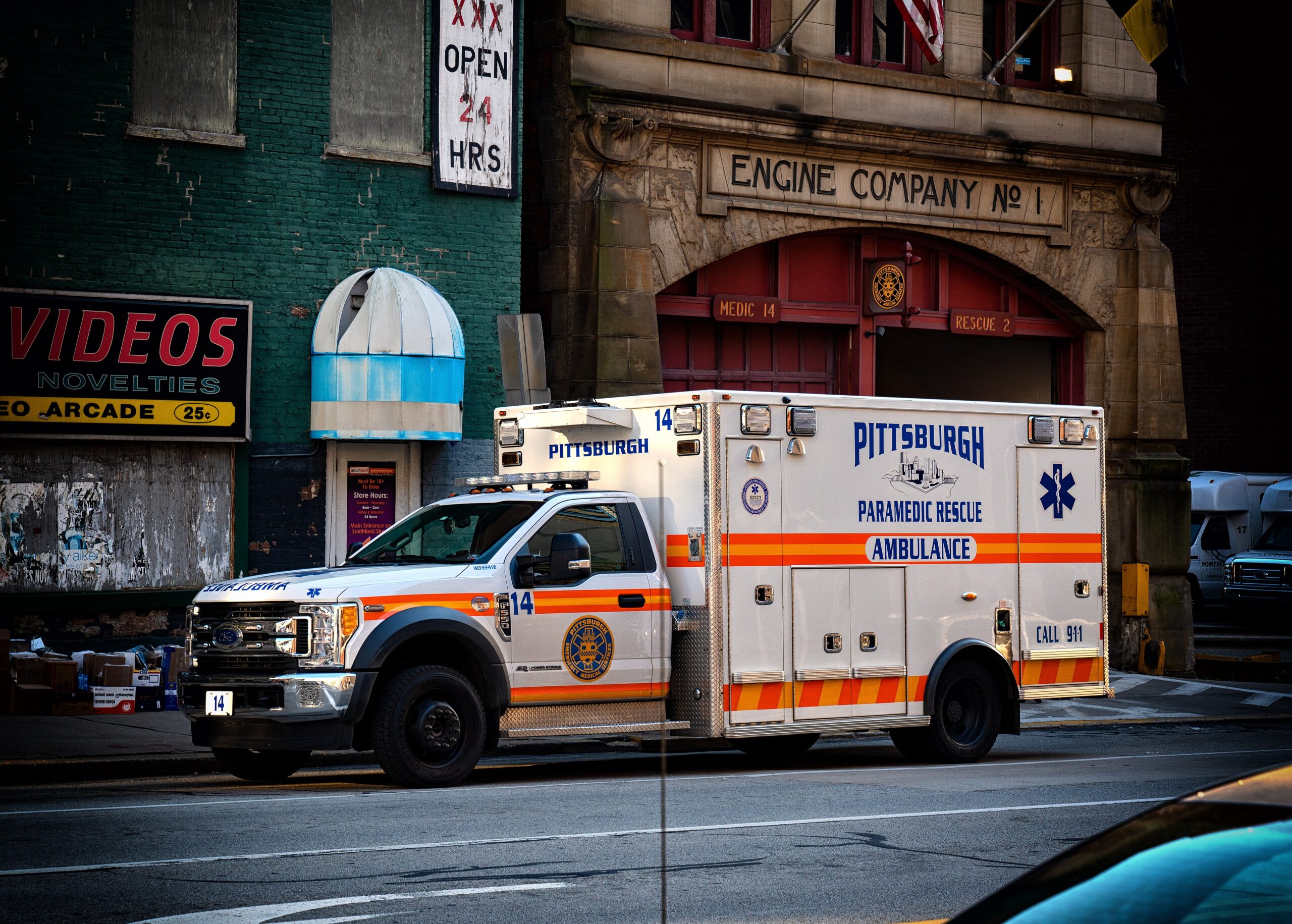
Image: Tony Webster from Minneapolis, Minnesota, United States – CC BY-SA 2.0/Wikimedia Commons