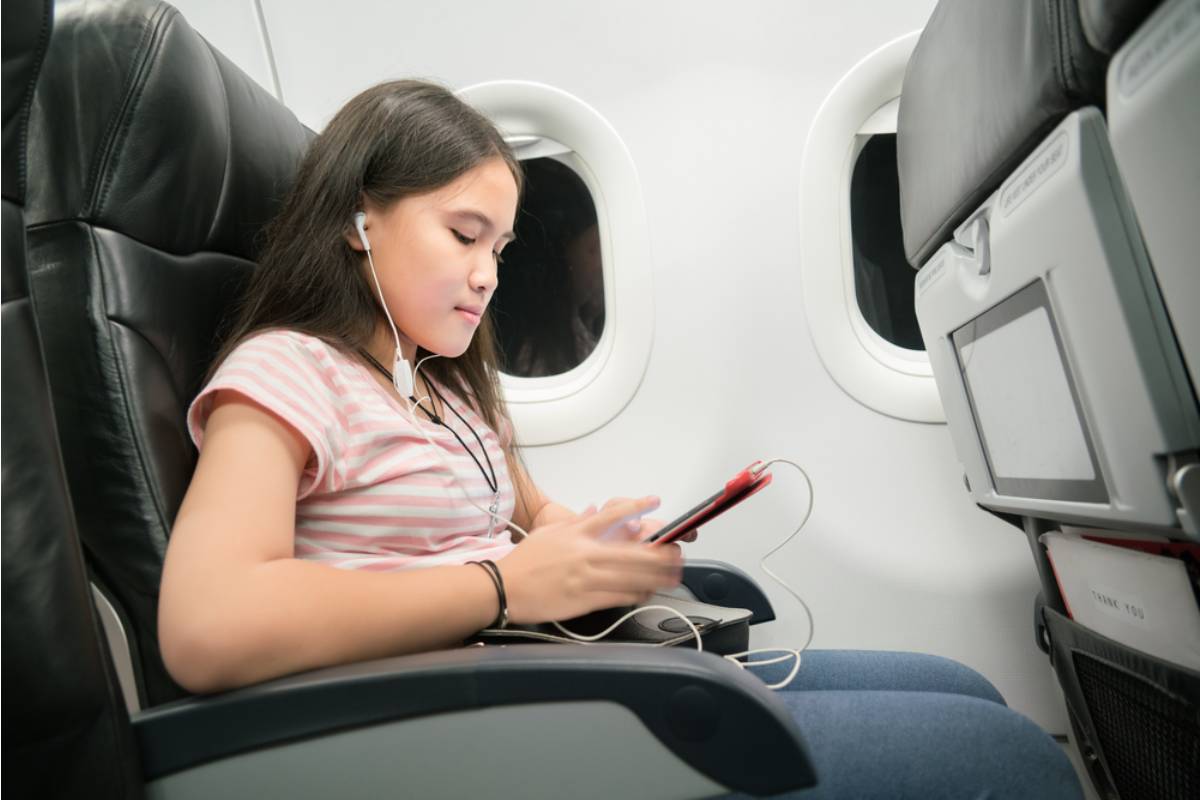
Teen Says She Refused to Give Up Her Seat on a Family Flight for a Younger Cousin, Now Her Parents Say She’s “Acting Entitled for Her Age”

The airport boarding gate was already crowded when the family gathered near the seats for their group. The teenager had arrived early with her boarding pass in hand, expecting nothing more complicated than a long flight and a window seat she had specifically chosen weeks before. Her younger cousin and extended relatives showed up later, carrying snacks and talking about swapping seats so the family could sit together. That was when the first request came casually, almost as if the answer was already assumed. What followed turned a simple seating arrangement into a family disagreement that would not stay at the gate.
A Seat Chosen Weeks in Advance Suddenly Becomes a Request
She had picked her seat when booking the flight, choosing it carefully because she disliked sitting in the middle. Her boarding pass confirmed a window seat near the front of the plane. When her aunt saw the seating chart, she immediately asked if she would switch so the younger cousin could have the window instead. The request was framed as a small favor, something easy to give up. The teenager hesitated and said she preferred to keep her seat. The tone around her changed instantly.
The Younger Cousin Enters the Conversation
The younger cousin, around ten years old, looked disappointed but said nothing at first. Then the aunt explained that the child had never sat by the window before on a plane. She suggested that it would make the flight more exciting for her. The teenager responded that she had also been looking forward to the seat. Her comment was not loud, but it shifted the mood further. Other family members nearby began listening in.
A Quick Assumption That Family Means Automatic Sharing
Her uncle stepped in and said it was just a seat and not worth arguing about. He added that family should help each other out without making things complicated. The teenager replied that it was not about the family, but about planning ahead. That answer did not land well with the adults. One of them muttered that younger kids should be prioritized. The conversation started to feel less like a request and more like pressure.
Boarding Begins and the Tension Moves Onto the Plane
When boarding was called, the group moved toward the gate together. The airline agent scanned tickets without any issue, and they proceeded down the jet bridge. The teenager walked ahead and found her assigned seat already occupied by another passenger who politely moved after checking the ticket. She sat down, expecting the matter to be over. But she could feel eyes on her from the aisle. Her relatives were still discussing the seating situation behind her.
A Final Attempt Before Takeoff
Just before takeoff, her mother leaned over and asked one more time if she would consider switching once they were in the air. The teenager shook her head and said she had already decided. Her mother sighed and returned to her seat without arguing further. The younger cousin ended up sitting elsewhere with another family member. The cabin began to settle, but the atmosphere within their row stayed tense. No one spoke for the first part of the flight.
Silence That Feels Heavier Than Words
During the flight, the teenager looked out the window and avoided conversation. She noticed her mother occasionally glancing in her direction. The younger cousin seemed fine but quieter than before boarding. A flight attendant passed by offering drinks, and the interaction was polite but distant. The tension did not escalate, but it did not disappear either. It simply settled into silence.
A Family Comment That Comes Out After Landing
Once the plane landed and passengers began collecting bags, her aunt finally spoke again. She said the teenager could have shown more kindness to a younger child. The teenager responded that kindness should not mean giving up something she planned for without warning. The aunt shook her head and said she was acting entitled for her age. That phrase hung in the air longer than the conversation itself. No one immediately replied after that.
The Walk Through the Airport Feels Divided
As the family walked through the terminal, they naturally split into smaller groups. The teenager stayed slightly ahead with her parents, while her aunt and uncle followed behind with the younger cousin. Conversations were now separate rather than shared. The teenager could hear fragments of the discussion behind her but did not turn around. The trip that was supposed to bring everyone together already felt divided.
A Parent Tries to Frame It Differently
Later, while waiting for luggage, her father quietly told her she could have handled it more gently. He said sometimes keeping peace in the family mattered more than a seat. She replied that she did not refuse out of anger, just consistency. He did not argue further, but his expression showed he was not fully convinced. The conversation ended there, but the disagreement did not.
The Younger Cousin Says Something Unexpected
While standing near the baggage carousel, the younger cousin walked up to her and said she liked the window after all. She added that she saw clouds that looked like animals during part of the flight. The teenager smiled slightly but did not respond beyond that. The moment was small but shifted the emotional weight a little. No adult commented on it.
A Family Group Chat Starts Without Her Input
By the time they reached their final destination, messages had already started appearing in a family group chat. Someone had summarized the situation in a way that framed it as the teenager refusing to share. A few relatives reacted with opinions, some supportive of the child, others criticizing the teenager. She read the messages but did not reply. The story was already being shaped without her perspective.
A Conversation That Ends Without Resolution
That evening, her parents spoke with her privately and said the situation had created unnecessary tension. They told her that while she had the right to her seat, family dynamics sometimes required flexibility. She said she understood but did not agree that she had done anything wrong. The conversation ended without a clear resolution. Everyone went to bed with slightly different versions of the same day.
What Remains After the Flight
Days later, the disagreement was no longer the main topic of conversation, but it was not forgotten either. Small comments during family calls would occasionally reference it indirectly. The teenager continued to see it as a simple boundary she had held. Others in the family saw it as a moment where she should have been more accommodating. What began at a boarding gate stayed with them longer than the flight itself.