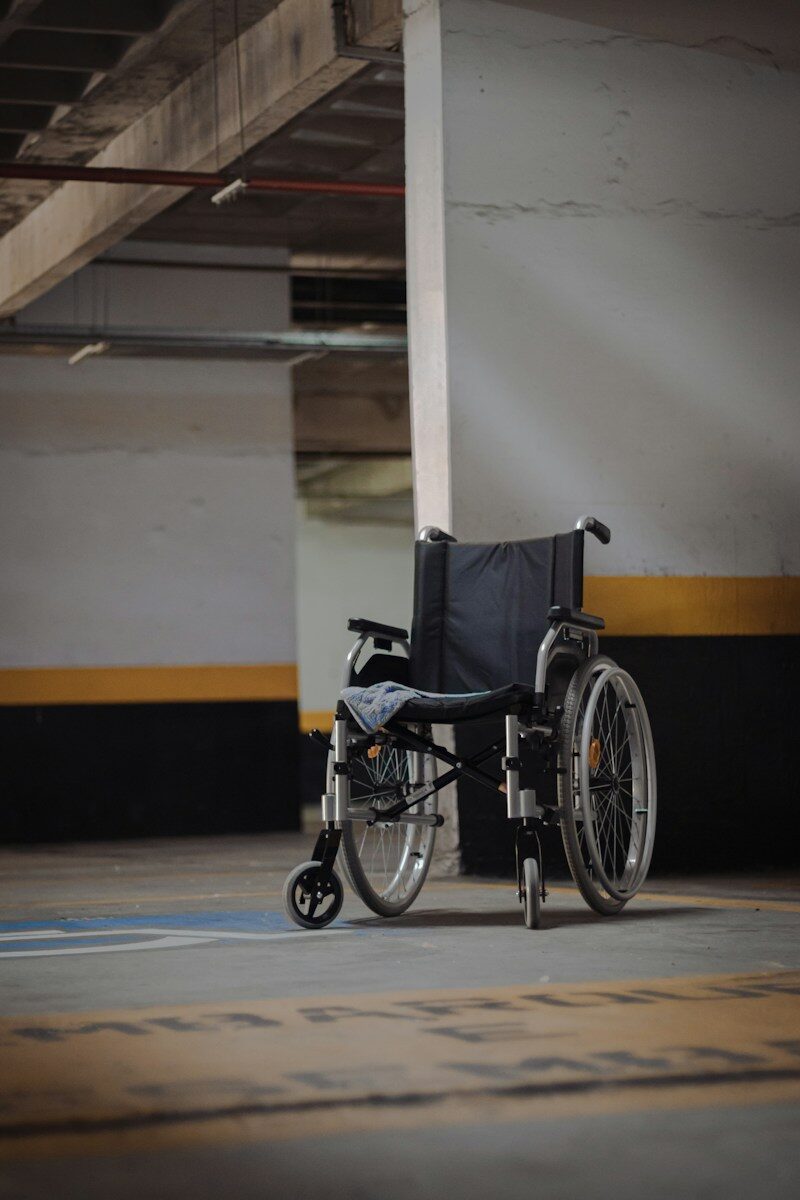
Blake Pera, 11, Uses a Wheelchair and Hasn’t Been in Class Since Sept. 10. His Maryland Mom Says He Won’t Go Back Without a 1-on-1 Aide.

Since Sept. 10, Blake Pera has not been inside his fifth-grade classroom. The 11-year-old, who uses a wheelchair, lives in Lothian, Maryland, with his mother, Jessica Pera, who says he will not go back to Central Elementary School unless the district gives him a dedicated 1-on-1 aide. A truancy officer has now contacted her.
Anne Arundel County Public Schools says it cannot discuss student-specific matters. The details below come from Project Baltimore’s reporting on FOX45, which interviewed Pera and reviewed school records.
Three Alleged Assaults in the First Two Weeks
Pera told FOX45 that Blake was assaulted three times during the first two weeks of the school year. The station quotes school records it obtained describing one incident in which another student hit Blake on the left side of his head with a piece of hard plastic.
The district’s own safety plan, according to the report, says the classmate involved had “known unsafe behaviors.” Pera says staff knew the child was aggressive and that he is targeting Blake. The report does not give dates or locations for the other two incidents.
Pera told the station her other children have attended several public schools without safety problems like these. She says she will not return Blake to the district unless it makes safety changes.
The Aide Blake Had in Georgia
The family moved from Georgia to Maryland in mid-2025. Blake has multiple neurological and physical disorders, and his Atlanta Public Schools individualized education program, or IEP, provided a “1:1 nursing” aide for his personal and medical needs. After the move, Anne Arundel County Public Schools did not offer him a 1-on-1 aide, FOX45 reports.
An IEP is the written plan a school must follow for a child in special education. Under federal rules at 34 CFR 300.320, it must state the special education, related services and supplementary aids and services the child will receive, along with any program modifications or staff supports. Whether a full-time aide is required for Blake is exactly what Pera and the district disagree about.
Pera told the station she worries about a worst case, pointing to Bowen Levy, a student with special needs who died in 2019 after ingesting a rubber glove at Central Special. FOX45 reports that his IEP called for a 1-on-1 aide the district did not provide. Pera says she fears Blake could have a seizure or swallow something small with no staff member nearby to help.
What the Truancy Contact Means
Maryland’s attendance law requires children 5 or older and under 18 to attend public school regularly during the school year. For a child with a mental, emotional or physical handicap, the statute does not apply when the condition makes instruction detrimental to the child’s progress or attendance poses a danger of serious physical harm to others. The county superintendent may then make other provisions for the child’s education.
The People’s Law Library of Maryland says the person with custody of a child is responsible for making sure the child attends, and that a parent who does not meet that responsibility could be fined or jailed. It adds that each school system sets its own attendance policy and criteria for unlawful absence, so the rules a family faces depend partly on the district. FOX45 reports that Blake’s absence violates state law.
Pera says she is prepared to face legal consequences. She told the reporter that if she must be arrested, her son “will not be harmed again.”
The District’s Response
Anne Arundel County Public Schools told FOX45 it “recognizes the need for enhanced adult support for some students with special needs.” On chronically absent students, the district said legal action would be a “last resort.” It did not discuss Blake’s case.
Pera also says she believes the district will cut services to save money. The district has not responded to that claim in the report. A different school-safety dispute over a child’s IEP is described in the story of a Philadelphia mom who says her son with Down syndrome was not in his five-point harness.
Where Parents Can Turn When They Disagree With an IEP
The Maryland State Department of Education’s parental rights guide says parents can ask for an IEP review at any time. When a parent and school disagree about a child’s placement or free appropriate public education, the guide lists three routes: mediation, a due process hearing before an administrative law judge, and a state complaint filed with the department if a parent believes federal or Maryland special education rules were violated.
Mediation is confidential and voluntary, with a trained mediator who does not take sides. A due process hearing is a formal proceeding in which both sides present testimony and evidence and the judge issues a decision. Parents who disagree with a school’s evaluation can also request an independent educational evaluation, and the school system must respond within 30 days by paying for it or asking for a formal hearing.
The guide does not state the filing deadline for a state complaint. It directs parents to a local Family Support Services Coordinator, or to the department at 410-767-0255, for that detail.
Get stories like this by email. Sign up for The Parent Diaries Letter.
This article was produced with AI assistance and edited for accuracy against the sources linked above.